Town ’n’ Country, Florida
Tree Trimming and Pruning in Town ’n’ Country, FL
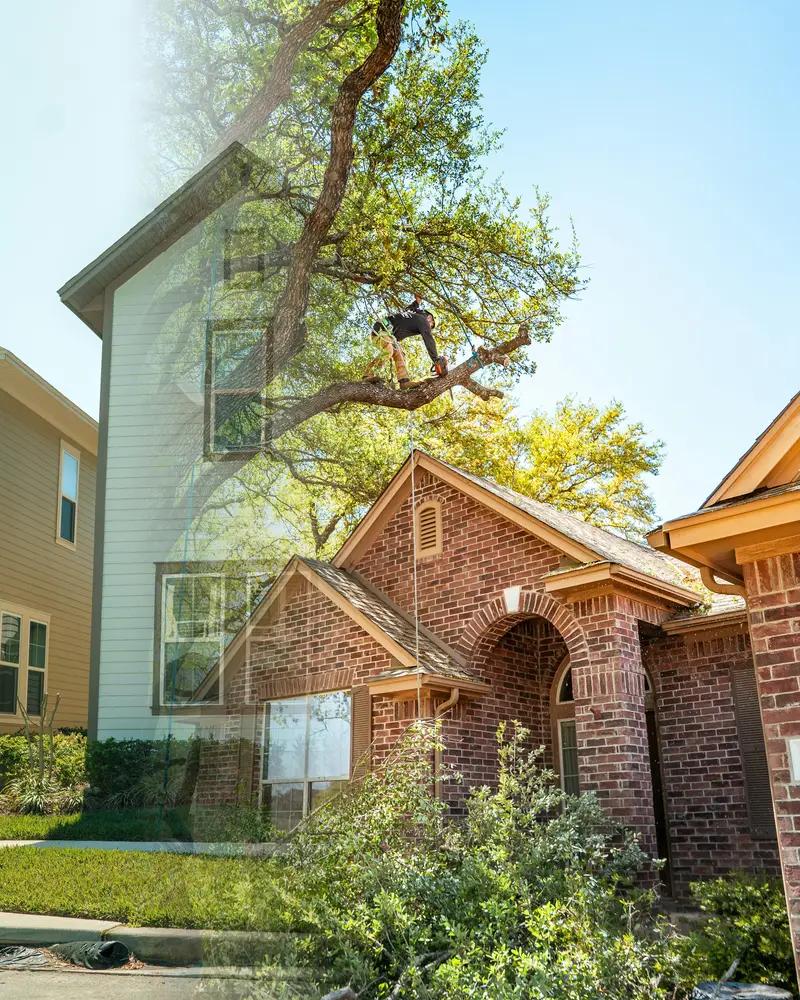
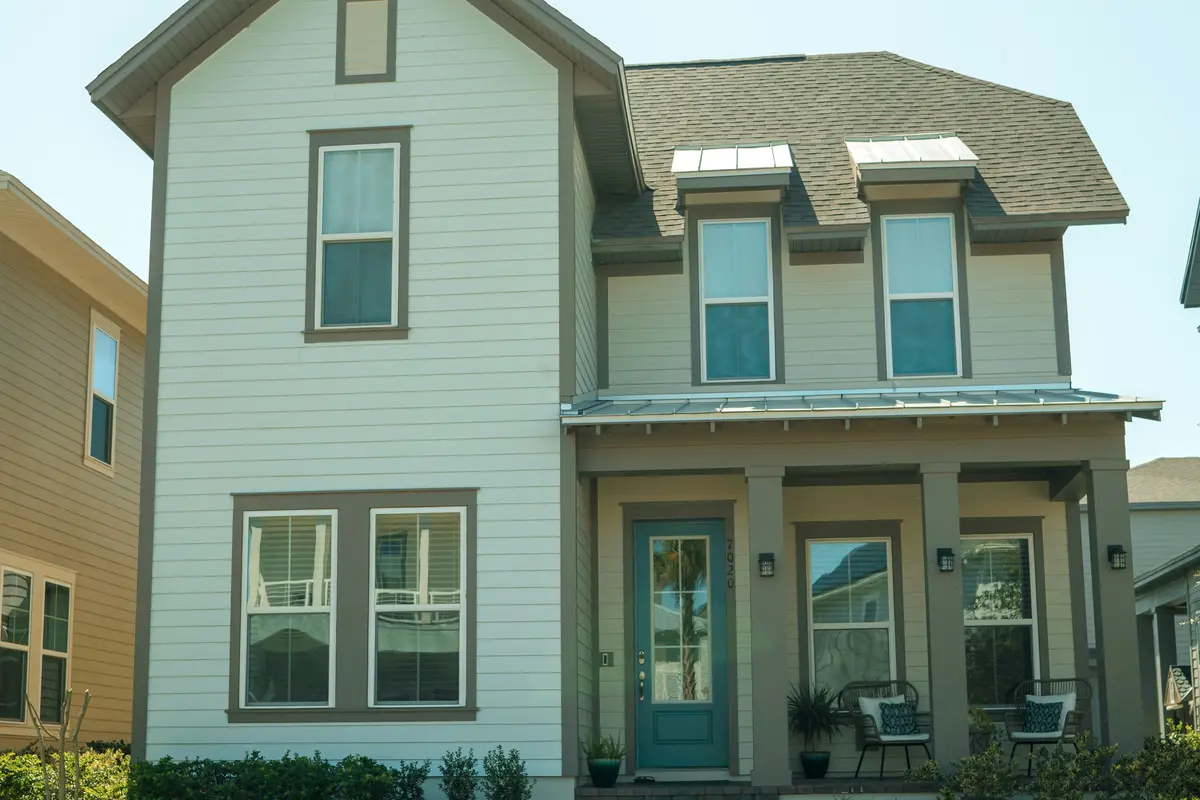
Clearance is the dominant objective in this area, and low rooflines make it more pressing than elsewhere. A branch that would sit comfortably above a two-storey house is resting on a single-storey roof here, and the margin between adequate clearance and contact in wind is much narrower.
- Hillsborough County
- Low elevation
- Near Old Tampa Bay
What this means on Town ’n’ Country properties
Screen enclosures and carports are the other clearance target. Deadwood held above an aluminium roof or a screen panel will go straight through it, and unlike a tiled roof there is no version of that impact that the structure absorbs. Systematic deadwood removal above those structures is the highest-value work here.
Town ’n’ Country is a large unincorporated area west of Tampa extending toward Old Tampa Bay, developed principally through the 1960s and 1970s.
Town ’n’ Country is unincorporated, so Hillsborough County provisions apply. Requirements can vary by property and jurisdiction. Property owners should confirm current requirements with the relevant local authority before work begins.
Common reasons to prune
Clearing branches off a low roof and removing deadwood from above a screen enclosure are two objectives on one tree with different priorities. The deadwood over the enclosure is usually the one worth doing first.
- A young tree with two competing leaders that will become a weak union later.
- Dead limbs held in the canopy above a walkway, drive or seating area.
- Vines climbing into the canopy and adding weight and wind load.
- Growth in contact with a low roofline, gutter run or carport, where the clearance was adequate when the tree was planted.
- A tree newly exposed because whatever sheltered it has gone.
Pruning versus removal
Pruning solves branch problems. It does not solve trunk problems, and it cannot make a tree fit a space that is fundamentally too small for it.
Pruning is the right tool Branch-level issues
- The tree is young enough that structure can still be guided.
- The trunk and root flare are sound.
Pruning will not fix it Whole-tree issues
- Roots are in direct conflict with a slab, wall or drain.
- Decay is in the main stem or root flare, not in the branches.
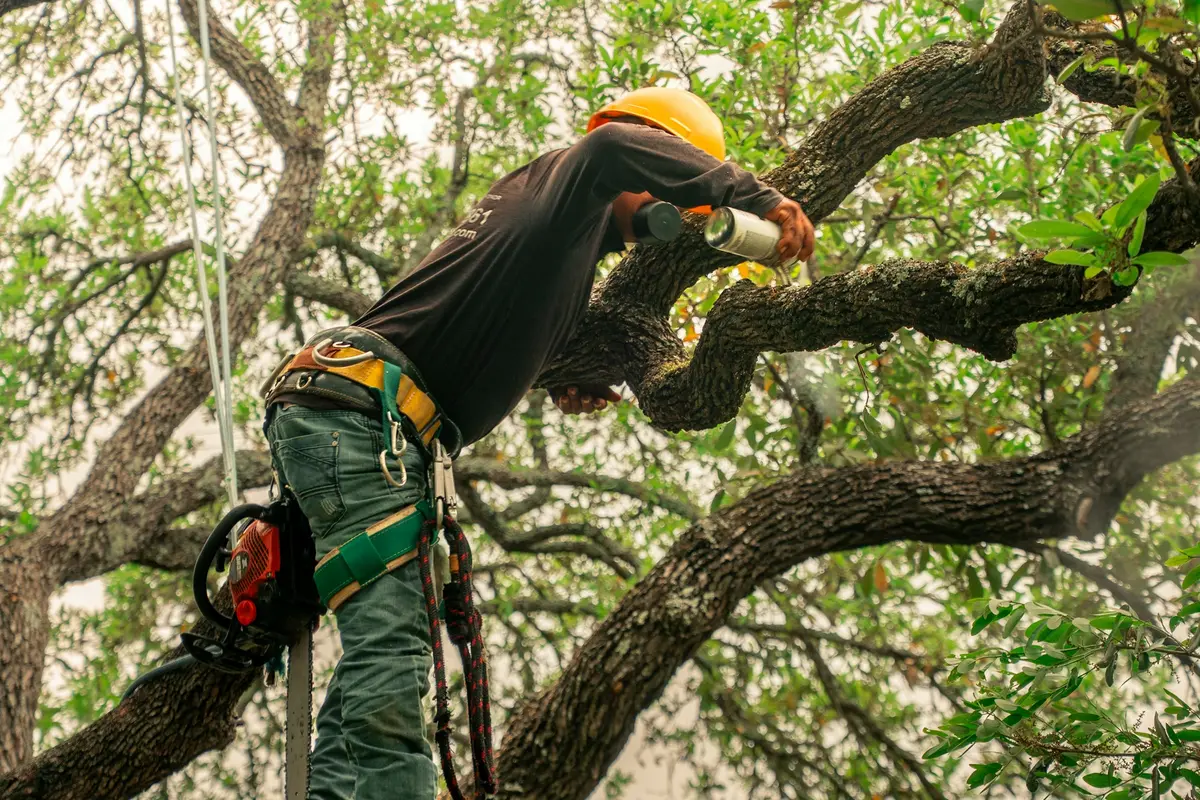
Working aloft, and why it is the risk
Deadwood is lighter than live wood but far more brittle, and it breaks rather than bends. A dead limb being removed can shed pieces sideways instead of dropping where you expect, so the area below stays clear for the whole operation rather than just for the final cut.
Never approach, move or work near a downed or sagging power line, and do not assume a line is inactive. Keep people, pets and vehicles well clear, and report the line to your electric utility or emergency services before anyone goes near the area.
How pruning work is normally approached
- Agree the objective
Clearance, deadwood, structure or sightlines. Pruning without a stated objective is how trees end up over-cut.
- Set the limit
How much live canopy comes off is decided before cutting starts, and kept modest. Removing too much at once weakens the tree and triggers stress regrowth.
- Work to the branch collar
Cuts are made at the right point so the wound can close properly, rather than leaving stubs or cutting flush into the stem.
- Balance the canopy
Where weight is one-sided, reduction is spread rather than concentrated, so the tree is not left with a new imbalance.
- Clear and check
Debris removed, cuts reviewed from the ground, and any follow-up interval discussed if the work is staged.
What sets the size of a pruning job
- Whether nearby beds and plantings need protection during the drop.
- The volume of brush generated and how far it has to be carried to the chipper.
- Species growth habit, which affects both cut placement and how fast it will regrow.
- How much of the work is correcting years of growth rather than routine maintenance — the first visit to a long-unmanaged tree is normally the largest.
- Whether the ground around the root plate has been saturated recently, which affects both stability and what can be driven across the site.
- How close the canopy sits to the roofline, gutters and any carport. Low single-storey roofs sit well inside the fall radius of limbs that look comfortably clear from the ground.
Decide these before the visit
- Any recent change near the tree — trenching, grade change, new paving — that may be relevant.
- Whether any part of the canopy crosses a boundary.
- What outcome you actually want — more light, roof clearance, less deadwood, a tidier shape.
- Note anything mounted on the roof or wall within the working area: solar panels, satellite dishes, lighting, gutter guards or a carport roof.
- Look at the ground at the base of the tree and mention anything unusual — cracking, lifting, or soil that has moved in an arc on one side.
- Note whether anything nearby has been removed or thinned recently — a tree that was sheltered and is now exposed is worth flagging.
Debris and cleanup
Pruning produces mostly light brush, which chips efficiently. The practical consideration is usually where the chipper can stand and how far material has to be dragged to reach it.
- Where limbs sit directly over a roof, material is lowered rather than dropped, and gutters are worth checking afterwards for anything that has washed into them.
- Long-unmanaged canopies carry more accumulated deadwood than expected, so the volume coming down on a first visit is often higher than on subsequent ones.
- On ground that holds water, staging is normally kept to firm surfaces such as a drive or path rather than lawn, which sometimes lengthens the carry.
Hauled away, chipped on site, or stacked in an agreed position — all three are normal, and they are different amounts of work. Whichever you want should be stated in the scope before the day rather than settled afterwards.
Tree Trimming and Pruning in Town ’n’ Country: common questions
How much clearance over a low roof is enough?
More than people expect, because the branch has less distance to travel before contact. Enough that nothing touches in wind plus a season or two of growth, rather than the minimum that clears it today.
Is deadwood over a screen room urgent?
It is worth prioritising. A screen panel or an aluminium roof offers effectively no resistance, so a dead limb of quite modest size will go through it. That makes it a more pressing target than the same limb over open lawn.
When is the best time to prune?
Dead, broken and hazardous material can be removed at any time. Timing for structural work depends on the species and on what you are trying to achieve, and in a subtropical climate the growing season is long, so the window is wider than in colder regions.
Can a tree be pruned to make it safer in a storm?
Selective work can reduce specific risks — removing deadwood, addressing a poorly attached limb, clearing material from directly above something that matters. What it cannot do is make a tree storm-proof, and heavy topping generally makes a tree less stable rather than more. Anyone promising a storm-proof tree is overstating what pruning does.
The ground around the tree stays wet. Does that make it less stable?
It can. Saturated soil holds a root plate less firmly, which is why trees with no visible defect sometimes move during sustained wet weather rather than during the strongest wind. Whether it applies to a particular tree needs someone at the base of it — soil movement is one of the few things that genuinely cannot be judged from a photograph.
Related tree services in Town ’n’ Country
When pruning will not be enough
Where the concern is in the trunk or the root flare rather than the branches, pruning cannot resolve it. This is the comparison worth making before booking either.
Compare pruning with tree removalIf the tree looks unwell rather than overgrown
Fungal growth at the base, a cavity, dieback at the top of the canopy or a lean that has changed are condition questions, not clearance questions.
Read about hazardous tree assessmentIf it is mostly the brush you want gone
Where material is already on the ground from earlier work or a storm, hauling is a separate job from cutting.
See how debris removal is handledDiscuss Trimming Your Trees in Town ’n’ Country
Tell us what the branches are over — roof, carport, cage — and which ones concern you. In this area the structure underneath sets the priority.
- Phone: 877-269-2454
- Serving Tampa Bay, Florida
Information on this page is general guidance for property owners and managers in the Tampa Bay area. It is not an arboricultural assessment, a legal opinion, a permitting determination or an insurance decision. Tree condition and site risk can only be judged in person.