Tampa-based, working across Hillsborough, Pinellas and Pasco

Atlantic hurricane season: 1 June – 30 November

Fast Tree Removal Tampa Bay, Florida
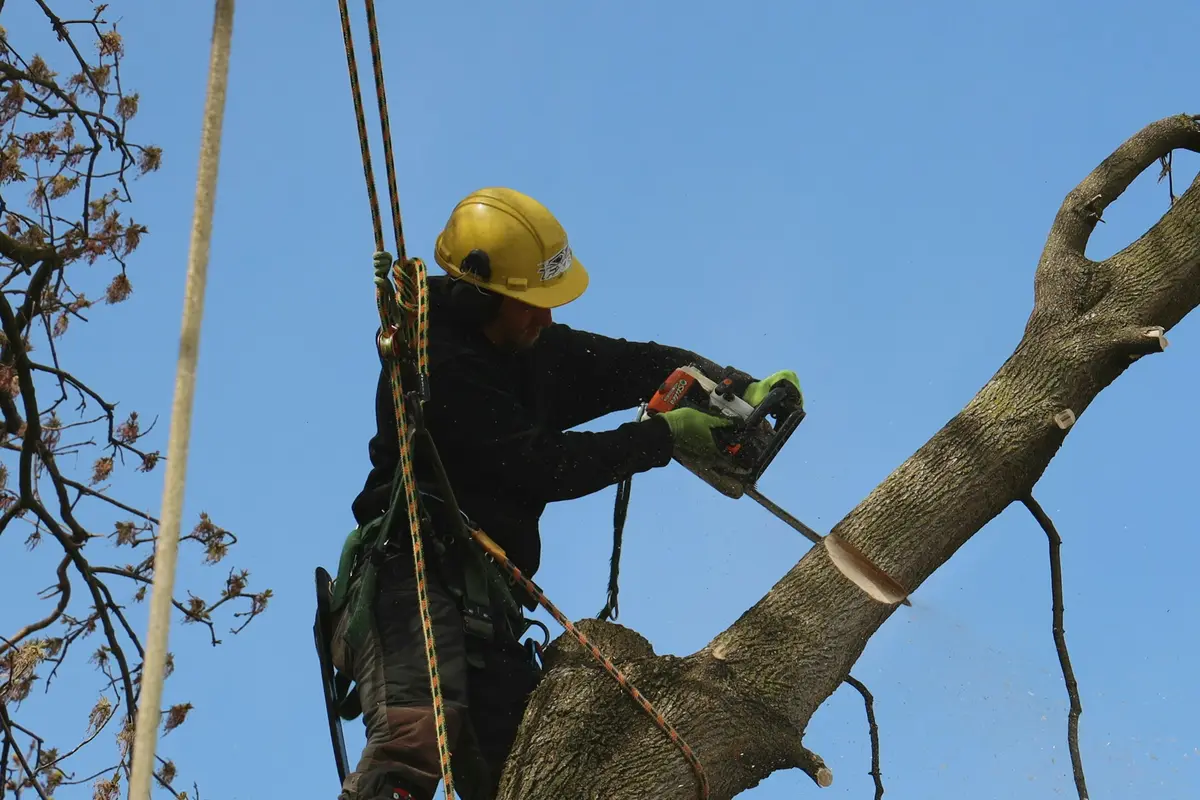
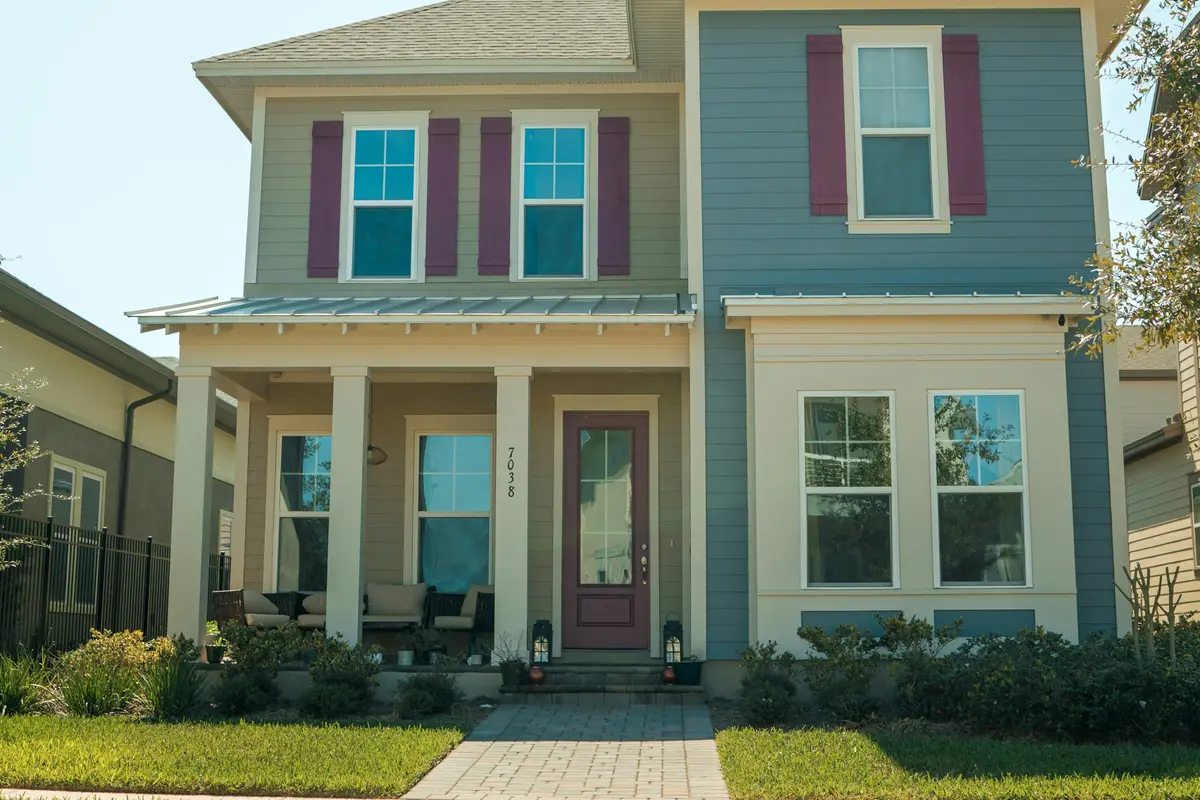
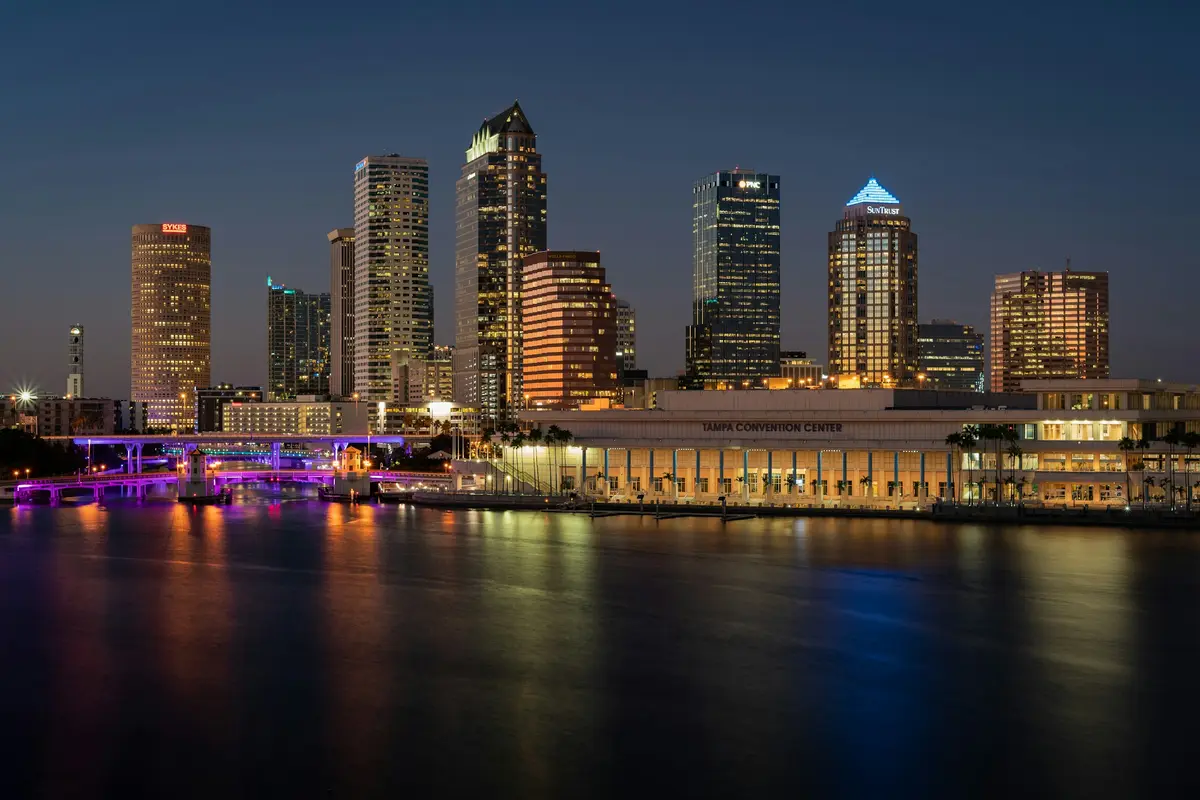
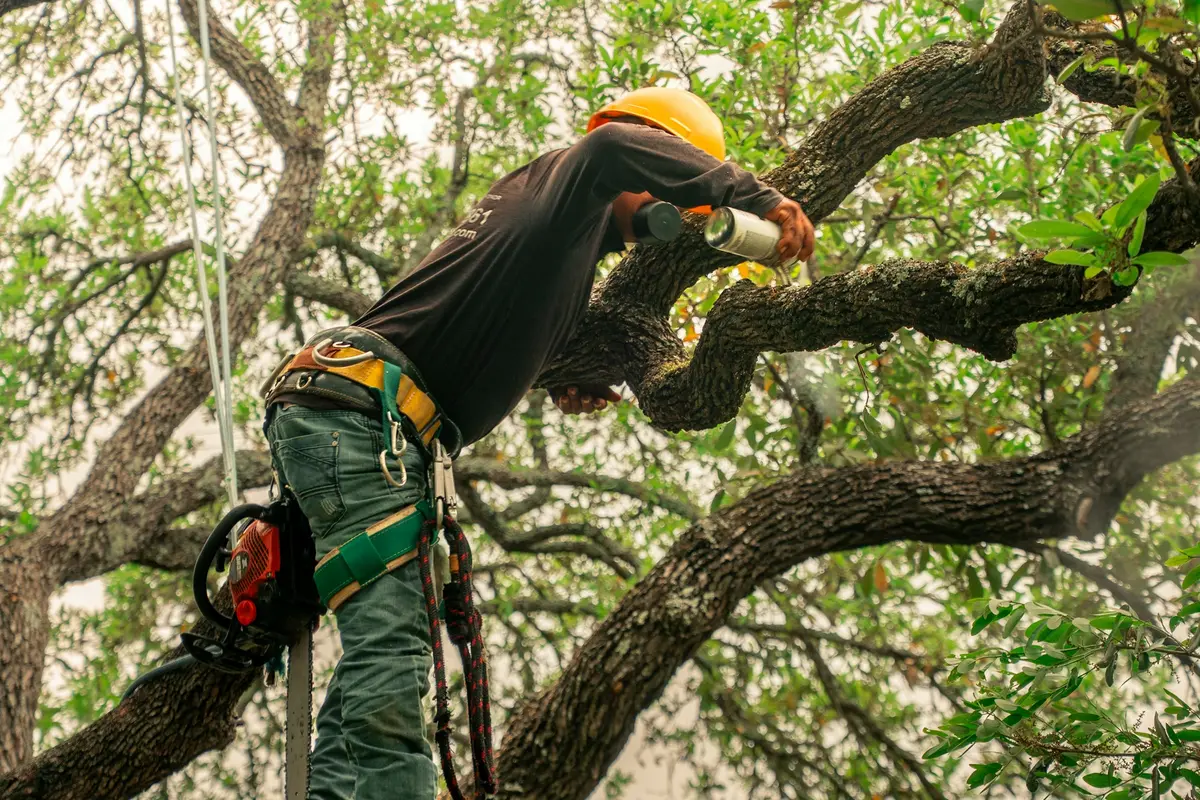
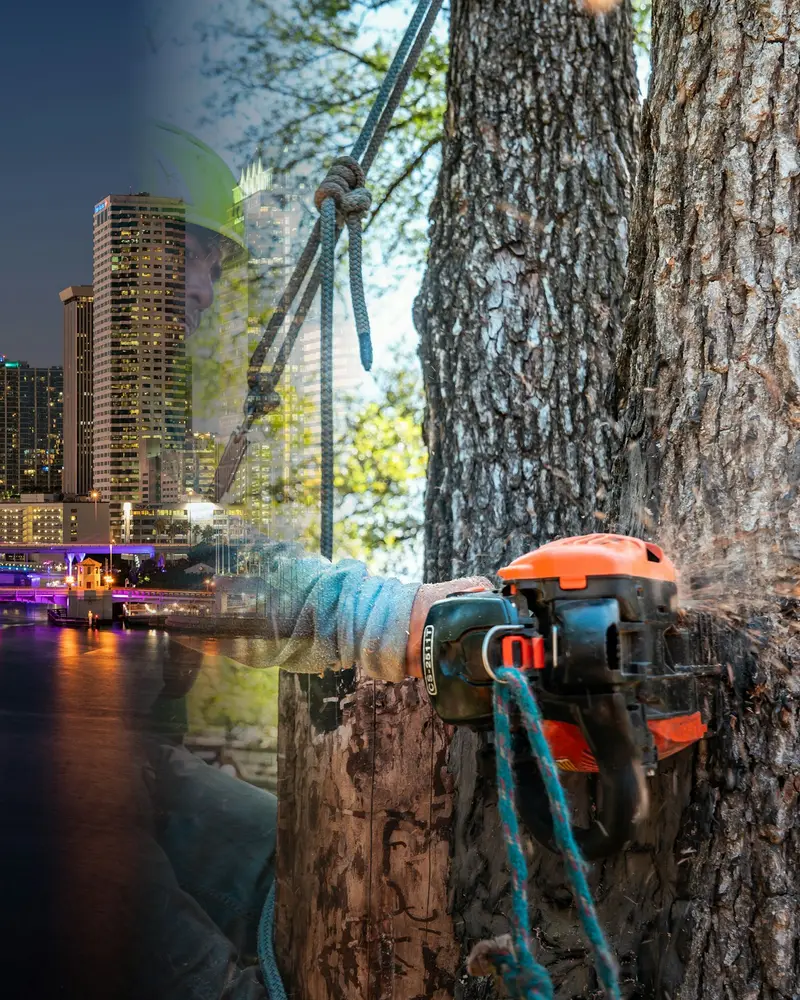
Composite of professional tree removal work and the Tampa waterfront

Serving Tampa Bay

Tree Removal and Tree Services Across Tampa Bay, FL

Fast Tree Removal helps homeowners, businesses and property managers with fallen trees, storm damage, planned removals, pruning, stump grinding, land clearing and debris hauling. Tell us what the tree is doing, what is nearby and how the property is reached, and we can start with the right next step.

  • Tampa Bay service areaHillsborough, Pinellas and Pasco communities
  • Urgent and planned workCall about a hazardous tree or a scheduled job
  • Homes, businesses and managed propertiesSingle trees, ongoing sites and debris cleanup

Urgent

Urgent tree? Have these details ready

These details make it easier to explain the situation clearly when you call.

  • 1What the tree is touching right now
  • 2Whether anyone is inside or under that part of the building
  • 3Whether any power, phone or cable line is involved
  • 4Whether a truck can reach the tree, and how wide the access is
  • Emergency and fallen trees
  • Storm and hurricane damage
  • Hazardous and declining trees
  • Removals, trimming and stumps
  • Commercial, land and debris

Atlantic hurricane season: 1 June – 30 November

12
Tree servicesChoose a service based on the tree and job
15
Communities coveredEach written for its own access and conditions
3
Counties servedHillsborough, Pinellas and Pasco, from a Tampa base
Jun 1 – Nov 30
Atlantic hurricane seasonWhen storm and fallen-tree work concentrates

Start here

Start with what is actually happening

Start with the condition of the tree, not the service name. A tree may already be down, it may be standing but showing signs of movement, or it may be part of planned work on the property. Each situation needs a different plan.

Treat it as urgent when a tree threatens people, an occupied building or the only way in and out. If there is no immediate danger, the work can usually be assessed and scheduled around access, cleanup and your plans for the property.

Pick the closest description of your situation
Selecting an option does not send anything. It shows you which service applies and what to do next.

A tree has fallen

A tree on the ground is still holding load. Anything bridging between two supports, pinned underneath or resting on a fence, roof or vehicle should be left exactly where it is — that object is part of what is holding it up.

Most likely service
Fallen tree removal
Next step
Call before touching it
Timing
Do not wait for a scheduled visit

A tree is leaning or has moved

Movement at the base matters more than how the trunk looks. Soil cracked or raised in an arc opposite the lean means the root plate has shifted, and it can keep shifting while the ground is still soft.

Most likely service
Dead and hazardous tree removal
Next step
Clear the lean direction, then call
Timing
Do not wait for a scheduled visit

Storm or hurricane damage

The priority after a storm is not the biggest pile. It is torn material still suspended in a canopy and any tree whose base has moved. Ground-level brush can wait; a hanger over a walkway cannot.

Most likely service
Storm and hurricane damage tree removal
Next step
Call — start with what is still overhead
Timing
Do not wait for a scheduled visit

A tree is blocking access

Blocked sole access moves a job up the priority list, because everything else a household or site needs to do waits behind it. Opening the route is usually handled before the rest of the clearing.

Most likely service
Emergency tree removal
Next step
Call and say access is blocked
Timing
Do not wait for a scheduled visit

Branches near a structure

If branches are touching or rubbing, that is clearance work rather than removal. If dead material is being held above something people use, it is worth prioritising — light roofs and screen frames offer almost no resistance.

Most likely service
Tree trimming and pruning
Next step
Call and describe what you can see
Timing
Worth an assessment rather than a guess

A tree looks dead or unsafe

Condition cannot be judged from a photograph. The indicators that matter — the root flare, stem soundness, soil movement — need someone standing at the tree, and we will not give a verdict remotely.

Most likely service
Dead and hazardous tree removal
Next step
Ask for an on-site assessment
Timing
Worth an assessment rather than a guess

Routine trimming or a planned removal

Pruning solves branch problems. It will not fix decay in a trunk, and it cannot make a tree fit a space that is fundamentally too small for its mature size. Worth establishing which of those you have.

Most likely service
Tree trimming and pruning, or tree removal
Next step
Call — there is time to scope it properly
Timing
There is time to scope it properly

A stump needs dealing with

Grinding and full removal are different operations. Depth is set by what the space becomes, and the machine has to physically reach the stump — the narrowest gate on the route usually decides the approach.

Most likely service
Stump grinding and removal
Next step
Call with the access width
Timing
There is time to scope it properly
Not sure which of these it is?

Describe what the tree is doing, what is underneath it and whether anything has moved. You do not need to know the service name before calling.

Urgent response

If the situation is urgent right now

Move people, pets and vehicles out from under the canopy and away from the direction of lean. Close off the route rather than relying on people to remember to avoid it.

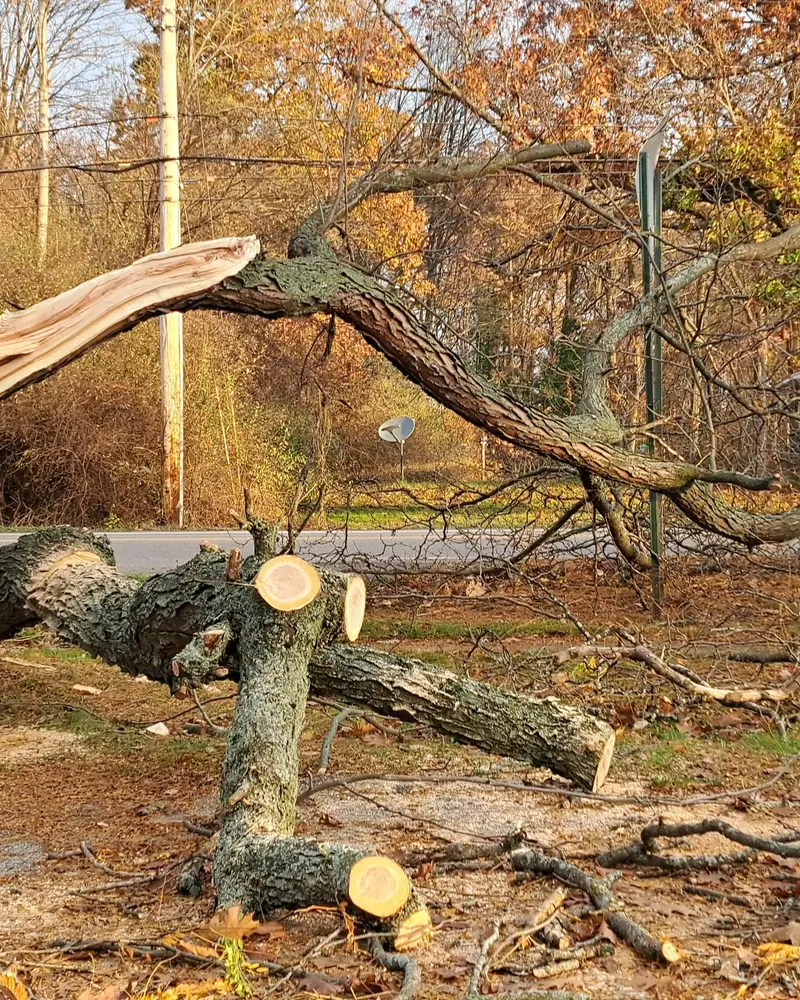
Storm-fallen tree lying across a residential yard
A storm-fallen tree across a residential yard illustrates why a loaded tree should be left undisturbed. Unsplash photo by Christi M; representative stock image.
Before anything else

Treat a loaded tree as unstable even if it looks settled. A limb bent under tension can release without warning when it is disturbed.

Do these first

  1. Get everyone out from underneathOut of the canopy footprint and out of the direction of lean, including anyone who wants a closer look.
  2. Close the route, do not just avoid itBlock or rope off the affected path or driveway. People forget; a physical barrier does not.
  3. Move vehicles and park elsewhereOnly if you can do it without walking beneath the tree or a damaged structure.
  4. Leave the load aloneDo not cut into anything holding weight and do not try to lift a tree off a fence, vehicle or roof.
  5. Then call and describe itWhat it is touching, who is inside, whether a line is involved, and whether a truck can reach it.

Treat these as urgent

  • A trunk or limb is resting on a roof, wall, carport or fence.
  • A tree has moved since you last looked at it, or soil has cracked at its base.
  • Material is hanging above a driveway, walkway or doorway people use.
  • The only vehicle access to the property is blocked.
  • A tree is leaning toward an occupied room rather than open ground.

Do not attempt these yourself

  • Cutting a trunk or limb that is currently holding weight.
  • Lifting or pulling a tree off a fence, vehicle, roof or pool enclosure.
  • Dragging brush from a pile that is touching any line.
  • Standing in or storing anything in a root-plate void while cutting is in progress.
  • Climbing or working from a tree that is dead, split or storm-damaged.

Tampa Bay conditions

Tampa Bay conditions that can affect tree work

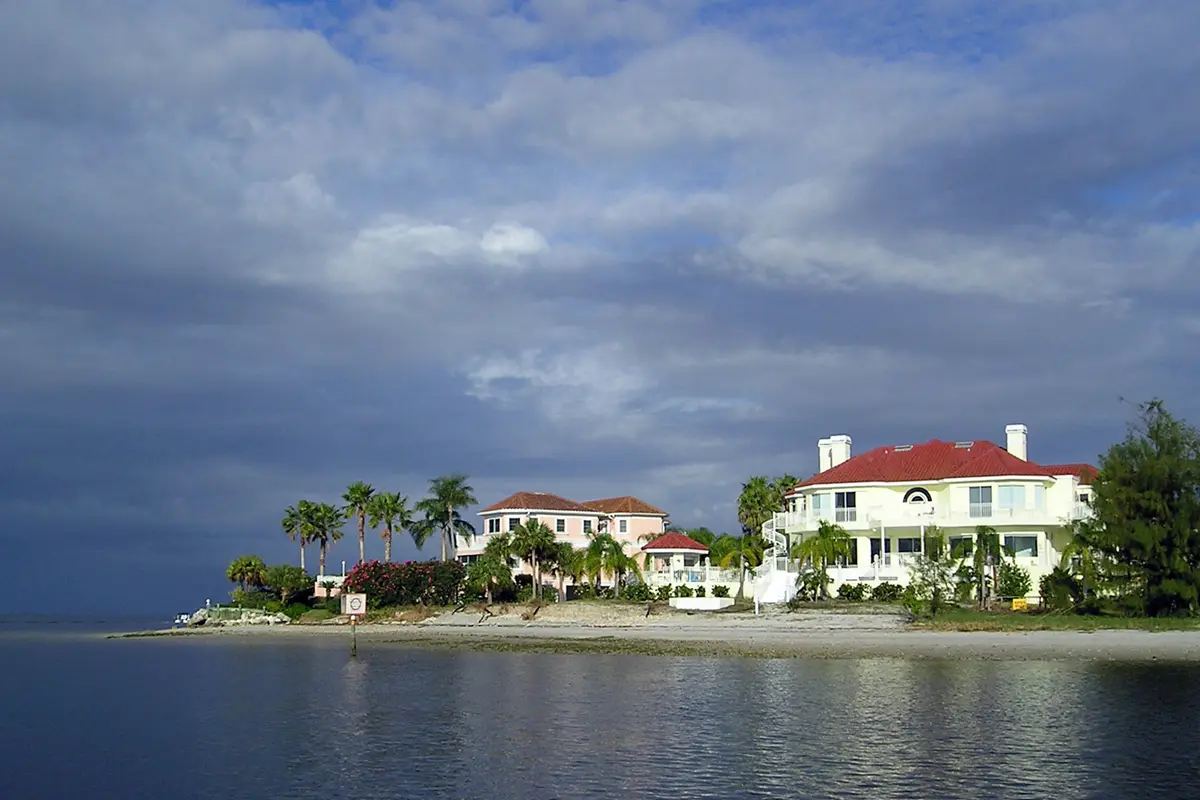
Bayfront homes along the Apollo Beach waterfront

Wind and wet ground can both matter

The Atlantic hurricane season runs from 1 June to 30 November. Heavy rain can soften the soil around a tree's roots, so a tree may begin to move even when the canopy appears intact. If you notice a new lean or lifted soil, keep people clear of the area and call.
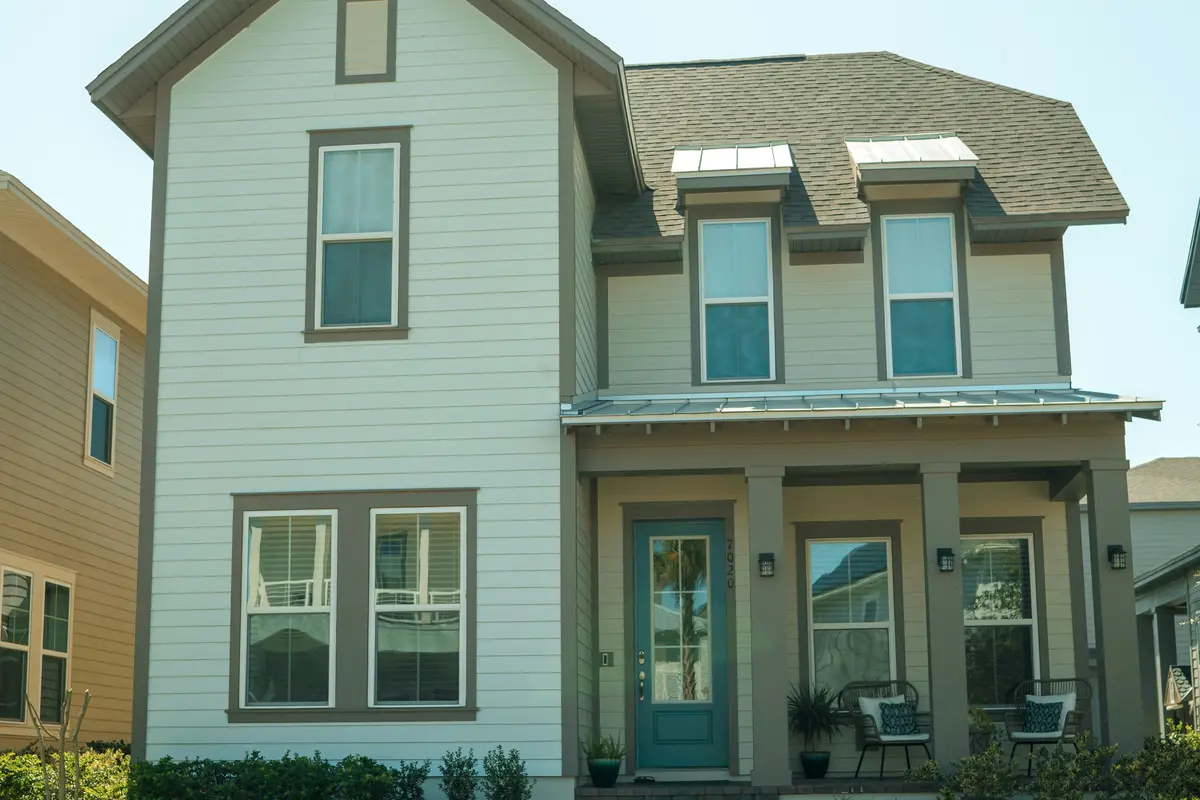
Low-rise Florida home in a landscaped suburban neighborhood

Mature trees often have limited working space

On established Tampa Bay lots, mature canopies can sit close to roofs, fences, driveways and pool enclosures. Gate width, overhead lines and the available drop zone can matter as much as the size of the tree.

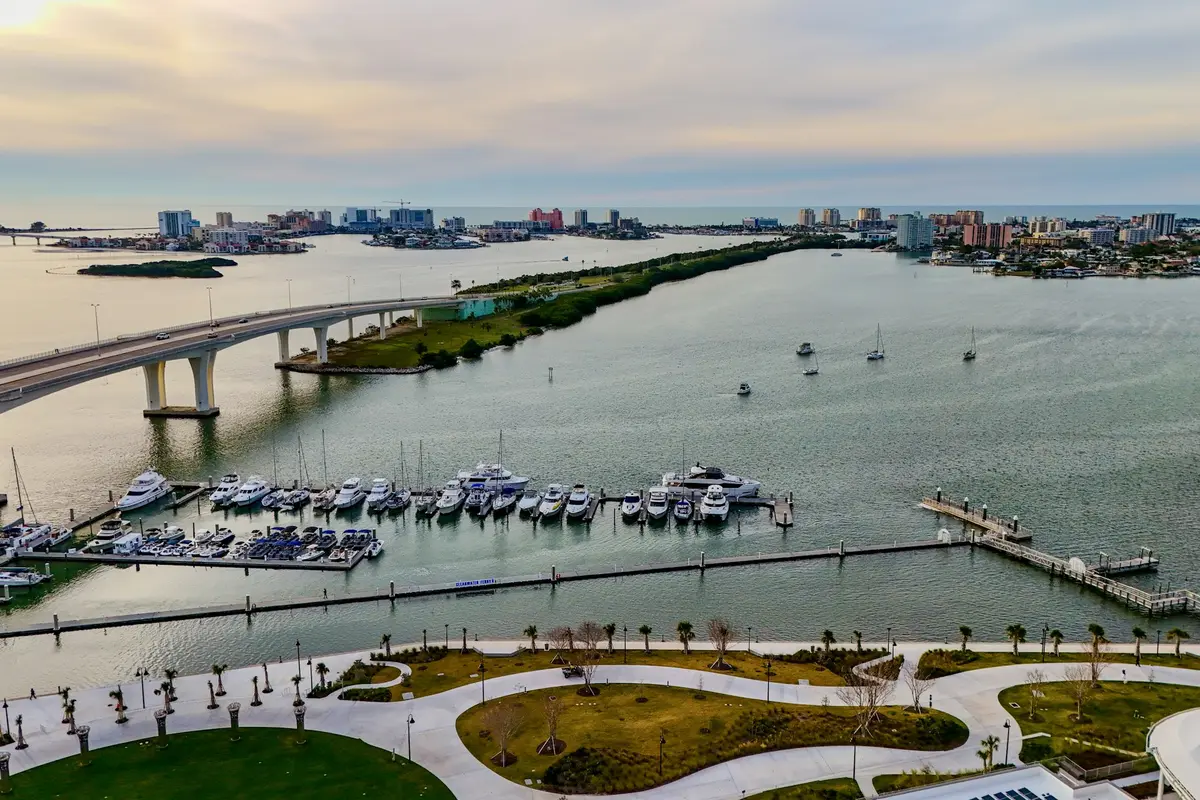
Aerial view of Clearwater harbor and a coastal causeway

Tree requirements vary by address

Cities and unincorporated county areas can have different rules for protected trees, removals and debris. A neighbor's past experience may not apply to your property, especially across a city boundary.

Tampa Bay and representative Florida context. Unsplash photos by Dorothy Riley, Eric Ardito, Anita Denunzio.

Requirements can vary by property and jurisdiction. Property owners should confirm current requirements with the relevant local authority before work begins.

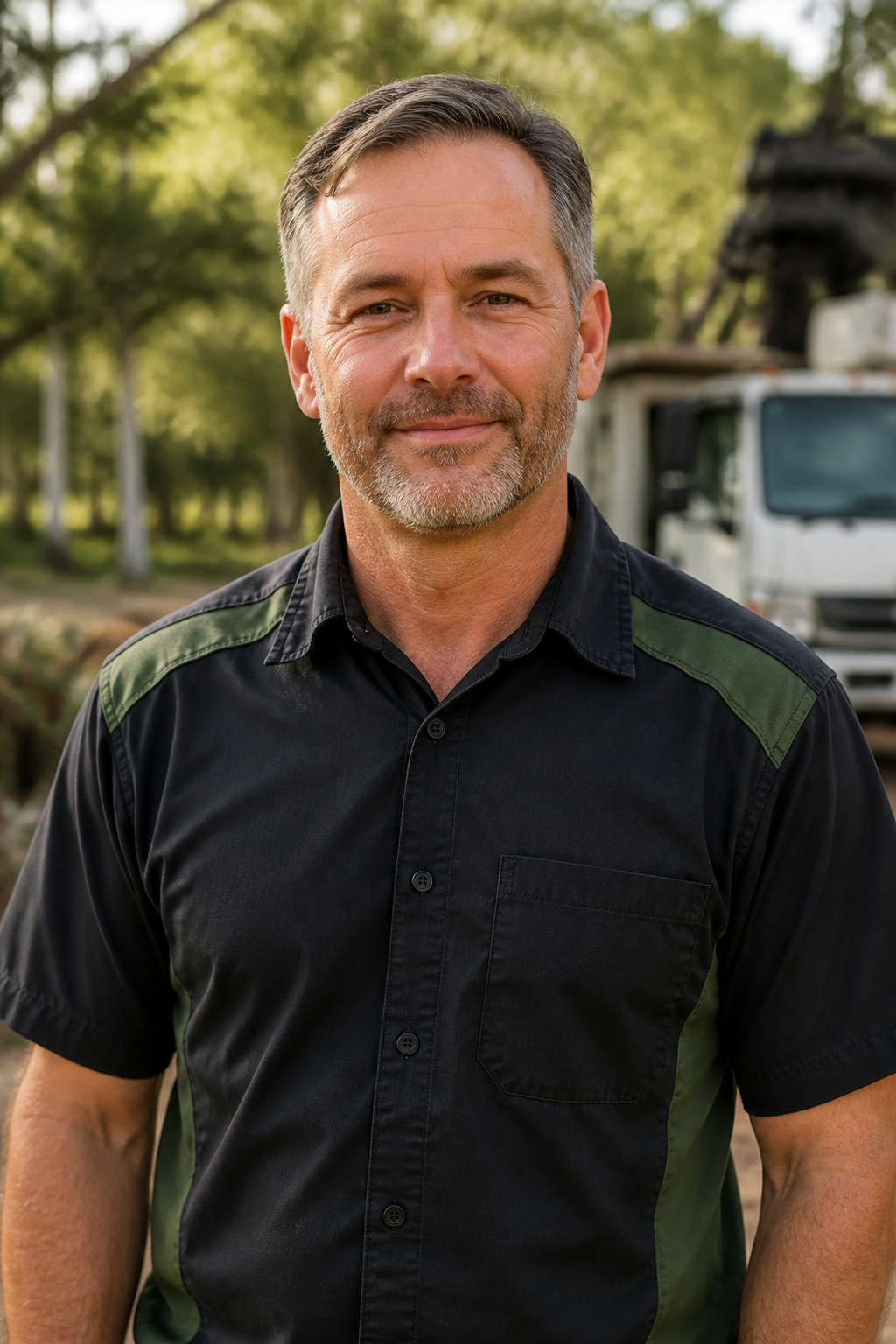
James Peterson

Talk through the job with James Peterson

James Peterson is the owner of Fast Tree Removal. When you call, start with the simple details: what the tree is doing, what is nearby and whether people, access or a structure could be affected.

Photorealistic portrait of James Peterson, owner of Fast Tree Removal
James Peterson, owner of Fast Tree Removal.

For a leaning tree, storm damage, stump removal or planned pruning, the conversation stays focused on the property in front of you: safe access, the work needed and the cleanup you expect when the job is complete.

Start with the situation

Share the main issue first: a tree down, a new lean, storm damage, branches near a structure or a planned removal.

Plan the visit clearly

Mention the address, access width, overhead lines and what needs to remain open so the work can be planned around the property.

Work suited to the site

A narrow side gate, soft ground, a pool enclosure or a busy driveway can all affect the safe method and the cleanup plan.

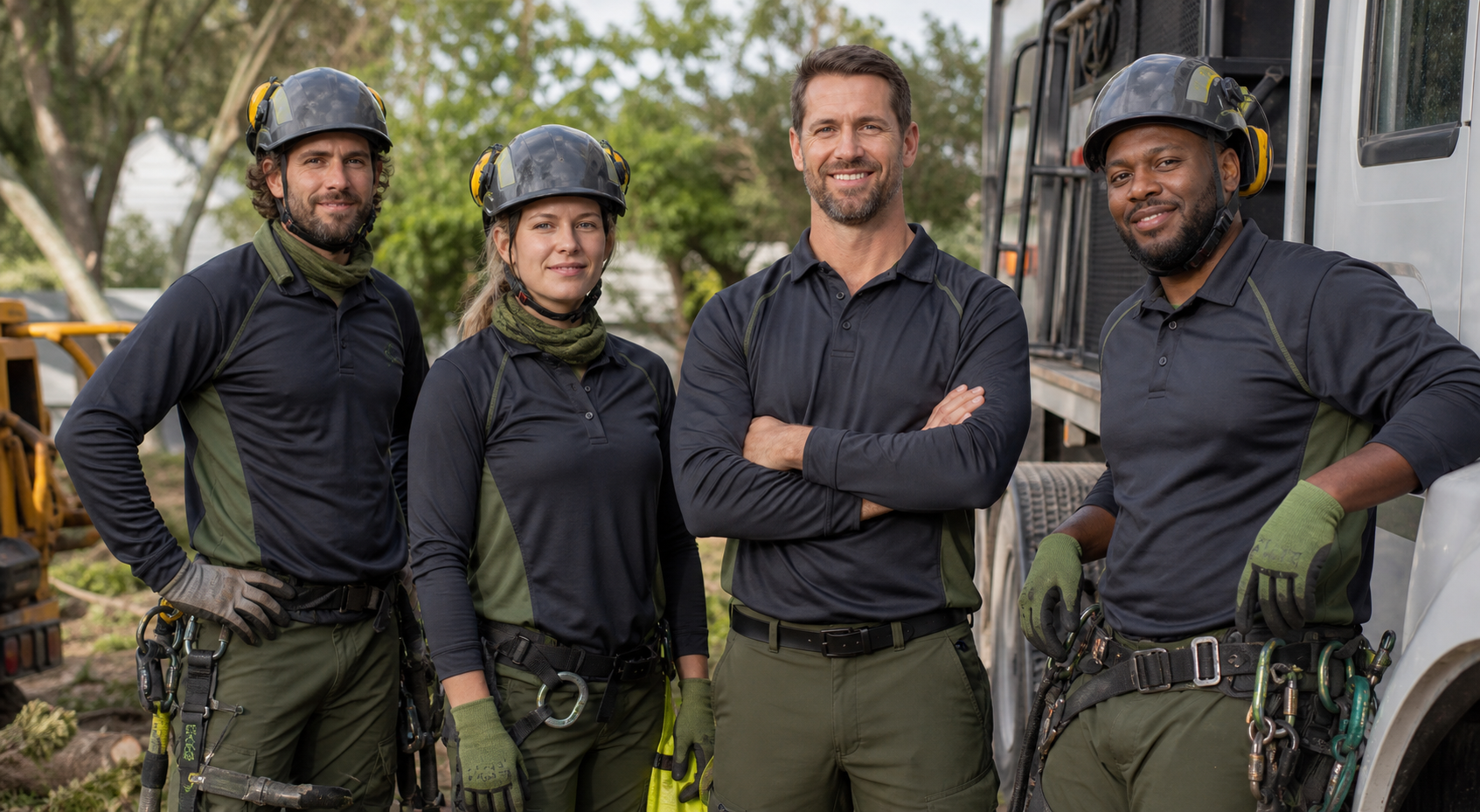
The crew

A crew that plans around your property

Every property has its own constraints. A Tampa driveway, Clearwater frontage, Apollo Beach shoreline or St. Petersburg canopy can each require different access, protection and cleanup decisions.

Photorealistic team portrait with James Peterson and the Fast Tree Removal crew
James Peterson with the Fast Tree Removal crew.

The crew plans around access, overhead obstacles and the areas that need to stay usable. James Peterson remains your point of contact while the work scope, debris plan and final cleanup are kept clear from the beginning.

One clear work plan

The tree, work area, access route, stump work and debris plan should be agreed before the crew begins.

Safe site access

Gate width, overhead lines, soft ground and truck placement all influence how the work can be done safely.

Cleanup discussed first

Confirm what will be removed, what may stay on site and how driveways, paths and lawn areas should look at the end.

What we cover

Tree services organized by the work you need

Choose the group that best fits the job. Each service page explains when it applies, what affects the work and what to discuss before scheduling.

Filter services by type

Urgent and hazardous tree work

Where the tree has failed, is failing, or sits close enough to something valuable that the risk needs assessing now rather than at the next convenient moment.

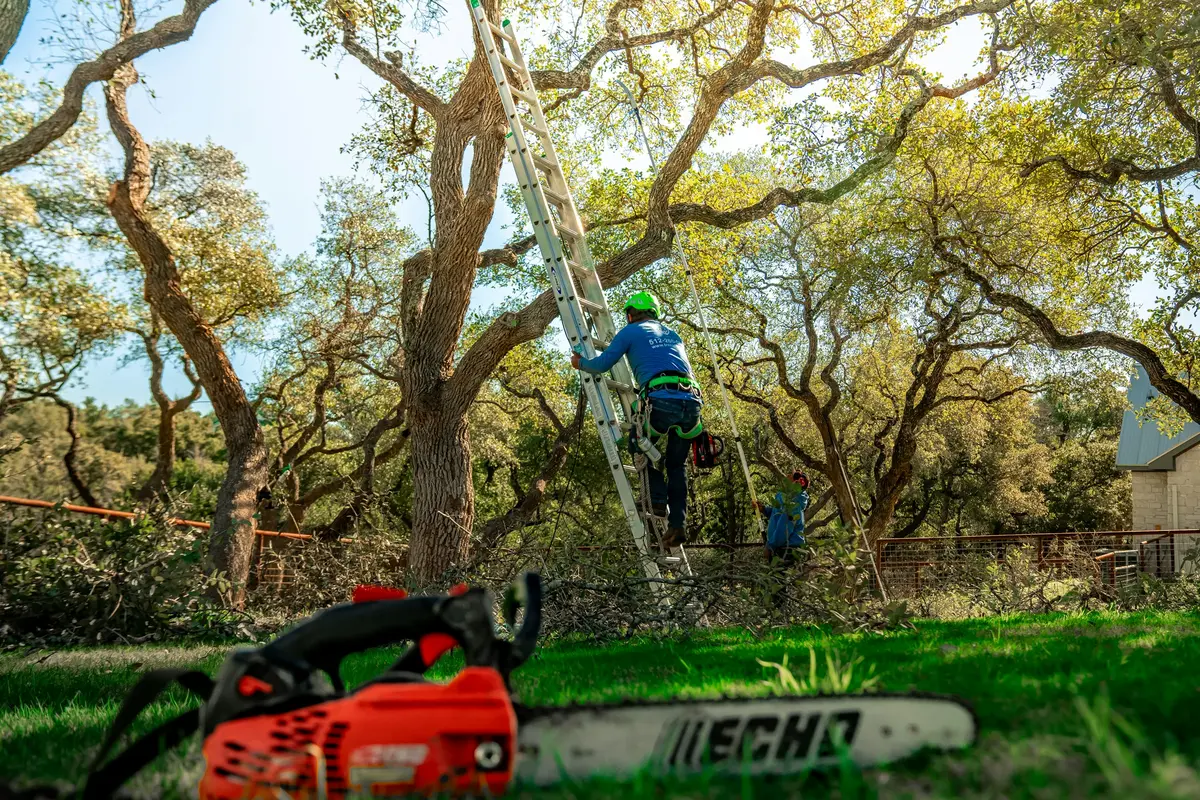
Tree worker climbing toward branches above a residential yard

Emergency Tree Removal

A tree or limb has become an immediate hazard to people, access or an occupied building. What the tree is touching, whether anyone is under it, whether a line is involved and whether a truck can reach it are the four answers that shape the response.

  • Immediate hazard
  • Blocked access
  • Occupied structures

Choose this when the situation cannot safely wait for a scheduled visit.

Storm and Hurricane Tree Removal

Suspended limbs, split stems and trees that moved rather than fell. The days after a storm are more hazardous than the storm.

  • Post-storm
  • Multi-tree

Fallen Tree Removal

Reading load and tension before the first cut, and taking weight off structures rather than dragging material across them.

  • Already down
  • Load release

Hazardous Tree Removal

Dead, declining or structurally compromised trees, weighed against what actually sits within their reach.

  • Assessment first
  • Decay and defects

Crane-Assisted Tree Removal

For trees with no usable drop zone, or a stem that cannot be trusted to hold a climber. A tool, never a default.

  • No drop zone
  • Restricted access

Routine tree and property care

Planned work with time to weigh the options — including the option of keeping a tree that someone else has suggested removing.

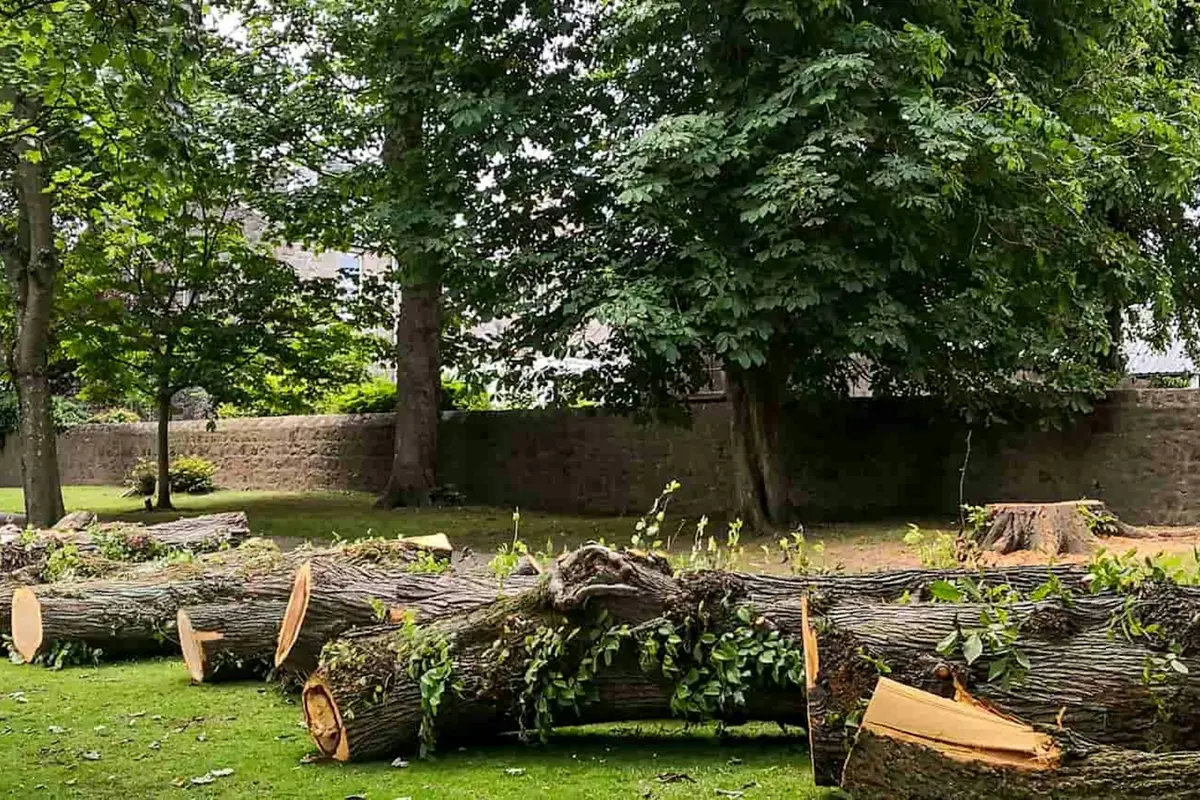
Cut trunk rounds staged on grass for removal

Tree Removal

For trees that need to come out because of condition, position, space or a planned change to the property. Where the issue is only clearance or deadwood, pruning usually solves it without losing the tree — and that is a better outcome than a removal you did not need.

  • Planned
  • Sectional dismantle
  • Stump optional

Choose this when there is time to weigh the decision properly.

Tree Trimming and Pruning

Clearance, deadwood and structural work on trees you intend to keep. The objective is set before any cut is made.

  • Clearance
  • Deadwood

Palm Tree Removal

Dense trunks, bulky water-heavy debris and tight positions. Palm work differs from broadleaf removal in practical ways.

  • Palm-specific
  • Tight positions

Stump Grinding and Removal

Grinding versus full extraction, depth set by the intended use, and access width as the real constraint.

  • Depth by use
  • Access-limited

Commercial and land services

Work scoped around an operating site, a parcel or a volume of material rather than around a single tree in a back yard.

Helmeted tree worker climbing with ropes and protective equipment

Commercial Tree Removal

On a commercial property the cutting is rarely the hard part. Permitted hours, pedestrian routing, which bays can be taken out of use and who can authorise a change on the day shape the plan more than the trees do.

  • Phased exclusion zones
  • Out-of-hours
  • Managed property

Choose this when coordination matters as much as the cutting.

Land and Lot Clearing

Scoped by area and outcome. Cleared of trees and cleared to grade are different scopes with different prices.

  • By the acre
  • Selective retention

Tree Debris Removal and Hauling

Volume, mix and carry distance. A pile that looks like one load is frequently two or three once it is pulled apart.

  • Volume and carry
  • Post-storm piles

Photographs are representative stock imagery illustrating the type of work described, not Fast Tree Removal projects. Unsplash photos by Zack Masters, Pinecrest Tree Services, Richard Burlton.

Where we work

Coverage across the Tampa Bay area

Fast Tree Removal serves communities in Hillsborough, Pinellas and Pasco counties. The listed areas include city lots, coastal properties, established neighborhoods and larger suburban sites, so access and cleanup needs can vary from one address to the next.

Stylised diagram of the Fast Tree Removal service area across Tampa Bay Three simplified county regions — Pasco to the north, Pinellas to the west and Hillsborough to the east — separated by a stylised bay, with a marker for each of the fifteen covered communities. HILLSBOROUGH PINELLAS PASCO TAMPA BAY GULF

Stylised diagram of the service footprint, not a survey map. Marker positions are approximate.

  • Hillsborough County (7)
  • Pinellas County (5)
  • Pasco County (3)

Hillsborough County

Urban core, established canopy neighbourhoods, suburban subdivisions and canal-front communities.

  • Tampa
  • Carrollwood
  • Town ’n’ Country
  • Brandon
  • Valrico
  • Riverview
  • Apollo Beach

Pinellas County

Peninsula and Gulf-facing property, older street grids, dense mid-peninsula development.

  • Palm Harbor
  • Dunedin
  • Clearwater
  • Largo
  • St. Petersburg

Pasco County

Master-planned communities, lakes and larger lots, and an older river city near the Gulf.

  • New Port Richey
  • Land O’ Lakes
  • Wesley Chapel

The communities above are the areas we describe in detail. If your property is nearby but not listed, call with the address and we can confirm whether it is within the service area.

Our Tampa base

A Tampa base for Tampa Bay jobs

Our business address is in Tampa, and crews travel to properties across the Tampa Bay service area. When you call, share the address, gate width and any overhead obstacles so the job can be planned around the site.

The address below is a working base rather than a walk-in showroom. Please call before visiting so any in-person discussion can be arranged around the day's work.

Contact and address

Fast Tree Removal 410 S Newport Ave
Tampa, FL 33606
USA

Call about an urgent concern or planned work. The first conversation is the place to discuss access, timing, stump work and debris cleanup.

Where we are

Map data © Google. Loading the map connects to Google, so it only loads once you scroll to it.

Who we work for

Tree work planned for the way your property is used

The tree may be the same, but the plan changes with the people using the property, the access that must stay open and the cleanup you need.

Suburban Florida home framed by palms and mature landscaping

Homeowners

One tree, one problem, one specific worry

Typical problems

  • A limb over the roof or the driveway
  • A stump catching the mower
  • A trunk that has started to lean
  • Roots lifting a slab or a walkway

Tree removal · Trimming and pruning · Stump grinding · Emergency and fallen trees

Call — urgent or planned, it is the same number A straight answer on whether it is urgent, and what the work actually involves.
Downtown Tampa buildings across the Hillsborough River

Commercial occupiers

The site has to keep working

Typical problems

  • Trees over parking bays in daily use
  • Canopy across signage, lighting or camera lines
  • Roots lifting a footpath or an accessible route
  • A declining tree near a building entrance

Commercial tree removal · Trimming · Debris removal · Hazardous tree assessment

Call with your access constraints and permitted hours Permitted hours, pedestrian routing, and how many bays go out of use at once.
Aerial view of Carrollwood Village Park and surrounding tree canopy

Property managers

Several properties, several trees, one programme

Typical problems

  • Damage spread across a multi-building site after a storm
  • Trees flagged in a condition report before handover
  • Common-area canopy where residents are watching
  • Landscaping installed decades ago that has outgrown its beds

Commercial removal · Land clearing · Debris hauling · Storm response

Call and we will scope it as a programme Sequencing, so no more of a site is out of use at once than necessary.

Representative property contexts. Unsplash photos by Eric Ardito, Kody Cheyne, Anita Denunzio; not Fast Tree Removal projects.

Condition indicators

Signs that warrant a professional assessment

A photo rarely shows enough of the trunk, roots or surrounding area to assess a tree reliably. These signs can help you decide whether to clear the area, call soon or mention something when arranging a visit.

Bracket fungus growing from decaying wood at a tree base
Bracket fungus on decaying wood is a reason to arrange an on-site assessment, not a diagnosis by itself. Unsplash photo by Annie Spratt.

Clear the area, then call

Something has changed at the base or a failure has already happened once.

  • A lean that has changed, or soil lifted in an arc at the baseMovement at the root plate. It can continue while the ground is still soft, and there is no reliable way to predict when.
  • Repeated limb failure from the same unionWhere one limb has failed from a poor attachment, others on the same tree often share it.

Worth an assessment soon

Structural indicators that need someone at the tree rather than a description of them.

  • Mushrooms, conks or bracket fungi at the base or on the root flareFungi around the base can be a sign of decay and are worth checking in person.
  • A cavity or a soft area where a probe meets little resistanceThere is no pruning fix for a compromised main stem.
  • A vertical crack or seam running up the trunkParticularly where two stems of similar size meet and can move independently.
  • Dead branches concentrated at the top of the canopyDieback from the top down usually means something systemic rather than one dead limb.

Mention it when you call

Context that changes how an assessment reads the rest of the tree.

  • Bark falling away in sheets to expose the wood underneathWorth noting alongside anything else you can see, rather than on its own.
  • Recent trenching, paving or fill within the root zoneRoot damage does its work quietly and shows in the canopy years later.

Have a declining tree looked at in person. We will not give a verdict on tree risk from photographs. Risk is a combination of how likely a tree is to fail and what sits underneath it, and both halves need looking at in person.

How it works

What to expect from first call to cleanup

Urgent and planned jobs begin differently, but both depend on a clear conversation about the tree, site access and the finish you expect.

Arborist pruning selected branches while secured by climbing ropes
A secured arborist carrying out controlled canopy work. Unsplash photo by Zack Masters; representative stock image.
  1. 01

    Situation assessment

    One call, whether the tree is urgent or the work is planned. What the tree is doing, what sits underneath, and how a truck would reach it.

  2. 02

    Property and access review

    Gate width, overhead lines, ground conditions and where equipment can stand. Access decides the method more often than tree size does.

  3. 03

    Work scope confirmation

    What is being done, what happens to the stump, what happens to the debris, and what the site looks like at the end.

  4. 04

    Safety preparation

    Exclusion zone, drop zone, access route and rigging points set before any cutting starts, and the zone stays closed while work is active.

  5. 05

    Tree work

    Method chosen for what is underneath — felling where there is a genuine drop zone, sectional lowering where there is not.

  6. 06

    Debris handling

    Brush chipped, trunk wood cut to a size the access allows, and material removed or staged in an agreed position.

  7. 07

    Final area review

    Access surfaces cleared, hard surfaces blown down, and the property walked with you before the crew leaves.

How we work

What to confirm before tree work begins

A clear scope helps prevent surprises. Before approving work, make sure the price, access plan, stump work, debris handling and cleanup expectations have all been discussed.

Details to get clear

  • How the price is determinedTree condition, access, nearby structures and debris volume can change the work substantially. Ask what information is needed before the scope and price can be confirmed.
  • Whether the stump is includedTree removal and stump grinding use different equipment. Confirm whether grinding, removal or leaving the stump in place is part of the plan.
  • Where debris will goDecide before work starts whether brush and wood will be hauled away, staged or left on site, and where any material can safely be placed.
  • How the work area will be kept clearAsk about the drop zone, access route and any places people, pets or vehicles need to avoid while tree work is underway.
  • What cleanup includesDiscuss the expected finish for driveways, paths, lawn areas, pool enclosures and other spaces near the work zone.
  • Whether the address is in the service areaIf your property is near but outside a listed community, confirm coverage before setting expectations for a visit.

Do not rely on

  • A final hazard verdict based only on a photograph. Tree condition and site risk need an in-person assessment.
  • A final price that ignores the tree, access and surrounding property.
  • A promise that a permit will be approved. The relevant authority decides permit requirements and approvals.
  • A claim that pruning can solve decay or movement in a trunk or root system.

Non-negotiable

Stay clear of power lines

Treat every downed or sagging line as energized. No tree emergency makes it safe to get closer.

Never approach, move or work near a downed or sagging power line, and do not assume a line is inactive because nothing is arcing. Keep people, pets and vehicles well clear, and report the line to your electric utility or emergency services. Tree work does not begin around a line that has not been confirmed safe by the utility.

What to do

  • Keep everyone well back and treat every line as live.
  • Report it to your electric utility or emergency services first.
  • Tell us on the call that a line is involved — it changes the entire response.

What not to do

  • Do not move branches that might be lying across a conductor.
  • Do not drag brush from a pile that is touching a line.
  • Do not let anyone work or stand under a sagging span.

Scope drivers

What affects tree work cost and method

A tree's height is only one part of the job. Its condition, the available access, what sits beneath it and the required cleanup all affect the equipment, method and cost.

Crane boom lifting a cut section clear of a tree
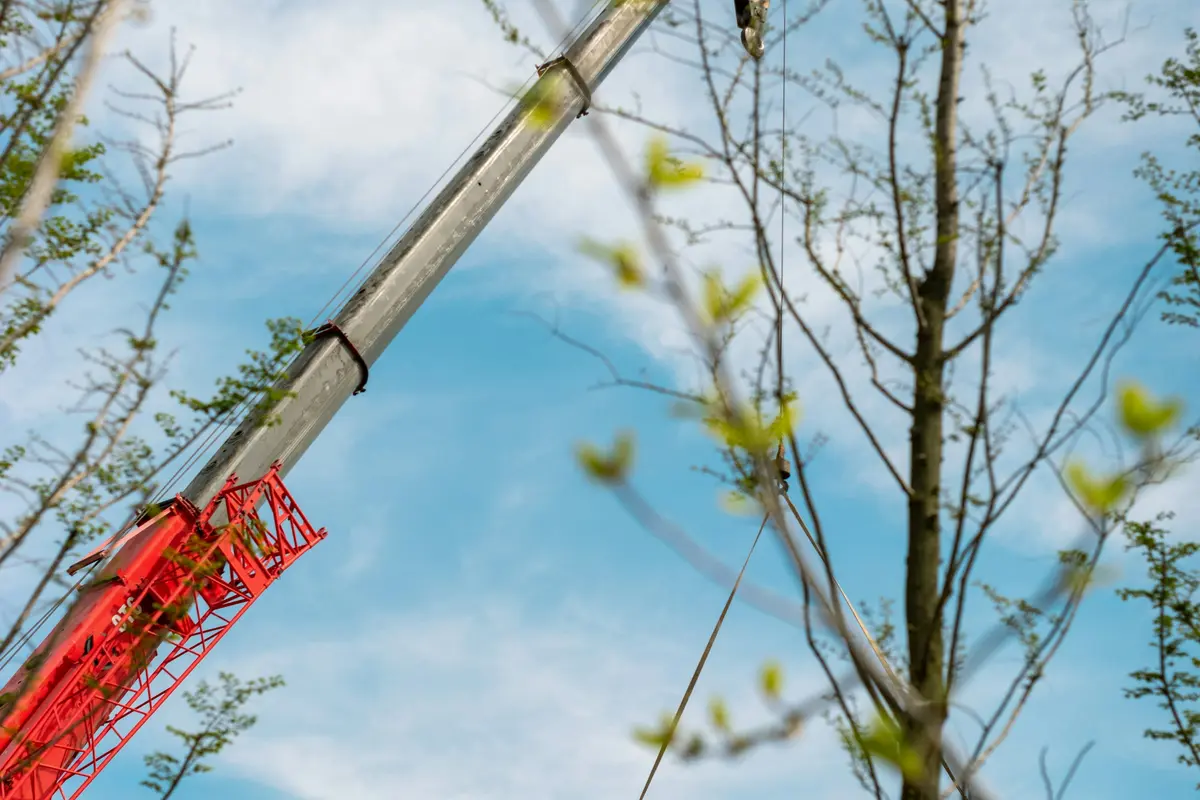
Crane-assisted lifting illustrates how access, drop zone and section weight can change the work method. Unsplash photo by Benny Sun; representative stock image.
Tree size and height
StraightforwardModest trunk, reachable canopy
ComplexLarge diameter, sections too heavy to handle by rope
Tree condition
StraightforwardSound stem that can be climbed and rigged against
ComplexDecay or storm damage — the stem cannot be trusted
Proximity to buildings
StraightforwardOpen lawn with a genuine drop zone
ComplexPool cage, roofline or a neighbour's fence under the canopy
Utility-line proximity
StraightforwardNothing crossing the working radius
ComplexLines above the tree or along the approach
Equipment access
StraightforwardTruck and chipper can reach the tree
ComplexNarrow side gate, long carry, everything by hand
Lowering or lifting requirement
StraightforwardMaterial can be dropped freely
ComplexEvery piece rigged and lowered into a small space
Debris volume and destination
StraightforwardChipped on site or staged as agreed
ComplexHigh volume, all hauled, multiple truck movements
Ground conditions
StraightforwardFirm and dry, machines can be positioned
ComplexSaturated or sloping — limits what can be driven on at all
Number of trees
StraightforwardSeveral in one visit, setup shared
ComplexSpread across a site needing separate mobilisations
Urgency
StraightforwardScheduled visit with time to plan
ComplexCannot wait — triaged and worked around a live hazard

Stump grinding is a separate operation using different equipment. If you want the stump gone, say so up front so it is planned into the same visit rather than a return trip.

For a useful estimate, share the tree's condition and height, what sits below it, the narrowest access point, and whether you want stump work or debris removed. An on-site assessment may be needed to confirm the full scope.

Debris and cleanup

Cleanup and debris options

Cut branches separated into a compact pile for loading
Representative debris handling and hauling. Unsplash photo by Benoit Vrins; not a Fast Tree Removal project.

Tree work can produce brush, trunk wood and, when a stump is ground, a mixture of wood chips and soil. The amount of material is often greater than it appears while the tree is standing.

Before work begins, confirm whether material will be hauled away, left on site or staged in a specific location. The practical options depend on the volume, property access and how you plan to use the space afterward.

Discuss cleanup expectations for driveways, paths, lawns, pool areas and other spaces close to the work zone. Heavy sections and equipment can leave normal surface marking, particularly on soft ground.

1 Cutting and sectional removal Sections sized to what the access will take, not to what is quickest at the tree.
2 Chipping Light brush is commonly chipped to reduce its volume. Confirm whether chip will be removed, left as mulch or staged elsewhere.
3 Hauling Trunk wood cut to a handleable size and loaded separately from chip. Volume is usually underestimated.
4 Stump-related debris Grinding creates a chip-and-soil pile. Confirm whether it will be removed, spread or used to backfill the area.
5 Site access limits A long carry or a narrow gate can matter more than the total volume on the ground.
6 Final cleanup Review the agreed finish for hard surfaces, lawn areas and any material left on the property.

Questions

Common questions

Straight answers to common tree-service questions.

How do I know whether my situation is urgent?

Ask what is underneath the tree and whether anything is holding load. A tree resting on an occupied structure, material hanging over a route people use, or a blocked sole access are urgent. A leaning tree over open lawn is serious but can be scheduled.

Can you tell me if my tree is dangerous from a photo?

No. What you describe is useful for deciding whether a visit is warranted, but the indicators that matter — the root flare, stem soundness, soil movement — need someone at the tree. We will not give a verdict on tree risk remotely.

Do I need a permit to remove a tree?

It depends on the address and the tree. Some Tampa Bay jurisdictions protect trees by size, species or location; others do not. Requirements can vary by property and jurisdiction, so confirm with the relevant local authority before work begins.

Is the stump included in a removal?

Not automatically. Felling and stump grinding use different equipment and are planned separately. If you want the stump gone, say so when you call so it goes into the same visit.

What happens to the wood and brush?

Confirm the debris plan before work starts. Brush may be chipped, trunk wood may be cut into manageable sections, and material can be removed or left in an agreed area when the site allows.

Can several trees be done in one visit?

Several trees can often be scheduled together when access, condition and the work area allow. Ask whether they can share the same setup and cleanup plan.

Do you work on commercial and managed properties?

Yes. On operating sites the planning is around working hours, pedestrian routing and debris staging as much as around the trees, so those constraints are the first thing to discuss.

What does tree removal cost?

Cost depends on the tree's size and condition, what sits beneath it, equipment access, whether pieces must be lowered, and the debris plan. Share those details on the call; an on-site assessment may be needed to confirm the full scope and price.

Where is Fast Tree Removal based?

We work from 410 S Newport Ave, Tampa, FL 33606, and cover communities across Hillsborough, Pinellas and Pasco County from there. The work happens at your property, so there is no need to visit us — call first if you would rather talk something through in person.

How should I describe a job over the phone?

What the tree is doing, what sits under it, roughly how tall it is against the building, how wide the narrowest gate is, and whether anything crosses overhead. Those five answers cover most of what determines the work.

Next step

Call to discuss your tree work

For an urgent concern, call and describe what the tree is touching, whether a line is involved and whether access is blocked. For planned work, use the same number to discuss the tree, access, timing, stump work and debris cleanup.

Urgent situations: describe it by phone

Have these ready

  • Say what the tree is touching and whether anyone is under it.
  • Mention any line, and whether access is blocked.
  • Tell us the narrowest gate and where a truck could stand.
Serving Tampa Bay, Florida
Call 877-269-2454