Material handling
Tree Debris Removal and Hauling in Tampa Bay, FL
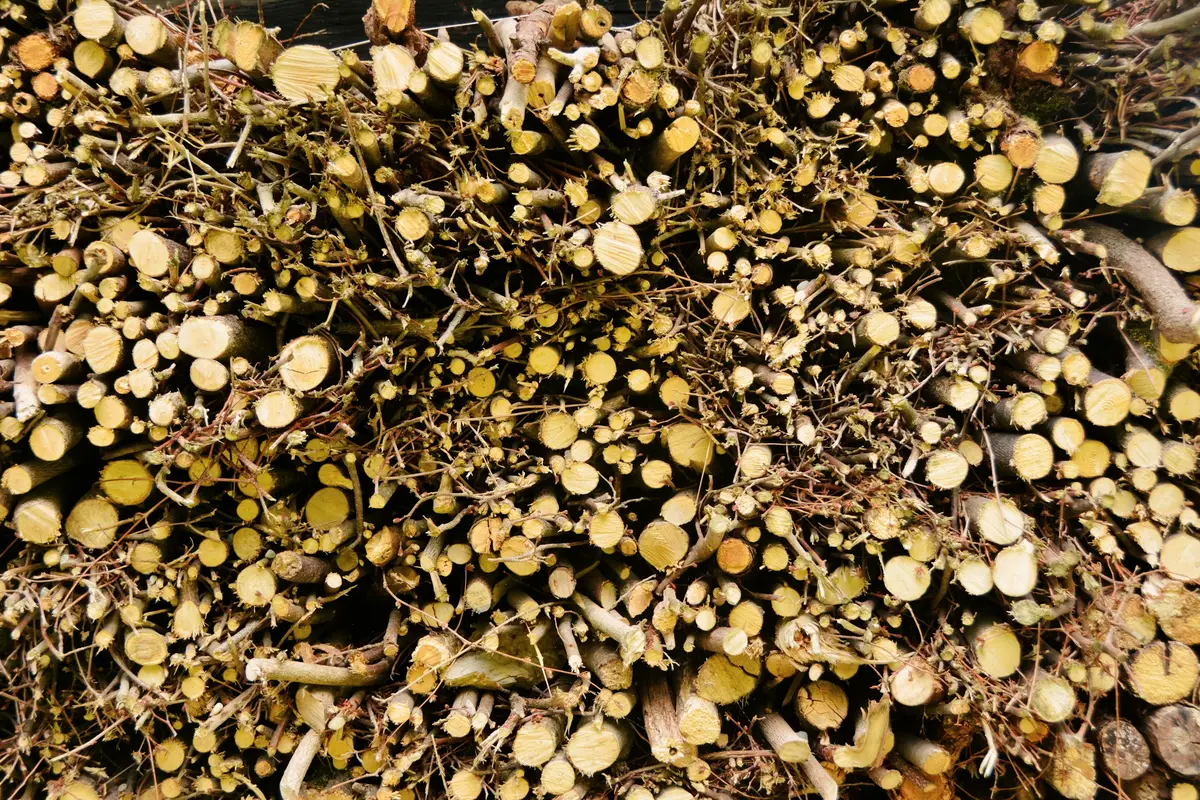
Debris removal is a materials-handling job, and the two things that decide it are volume and carry distance. Neither is usually judged accurately from a photograph, because branch material interlocks and hides its own depth — a pile that looks like one load from the driveway is frequently two or three.
- Tampa Bay, Florida
- Hillsborough · Pinellas · Pasco
- Commercial & land scope
What this service covers
The mix matters as much as the quantity. Light brush chips and reduces dramatically in volume; trunk rounds do not, and they have to be cut to a handleable size and loaded separately. A pile that is mostly heavy wood is a different job from a pile of the same size that is mostly brush, and it is worth describing which you have.
Contamination is what causes most complications. Soil, rubble, fencing, wire, treated timber and general household waste mixed into a woody pile change how the load can be handled and where it can go. Separating those out beforehand, where you safely can, genuinely speeds the work up.
Safety before anything else
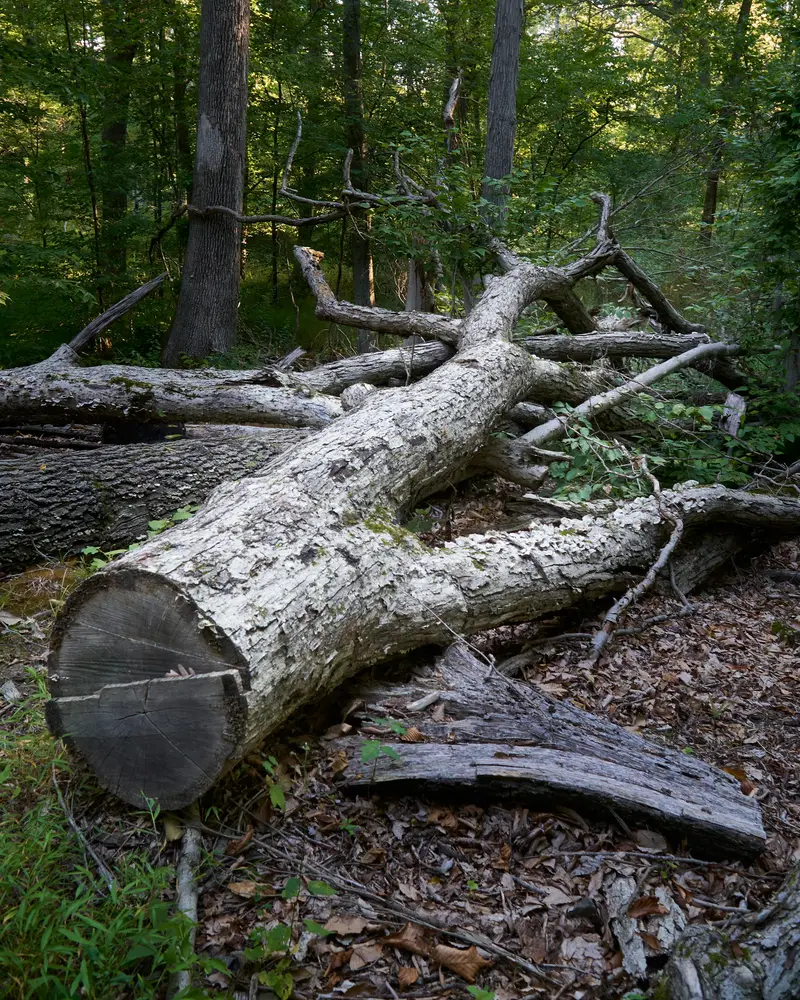
Material that has been down for a while interlocks, and pulling one limb can shift the rest. Older piles are worked from the outside in rather than by dragging pieces from the middle, which is also why they take longer than they look.
Never approach, move or work near a downed or sagging power line, and do not assume a line is inactive. Keep people, pets and vehicles well clear, and report the line to your electric utility or emergency services before anyone goes near the area.
Debris and collection across the region
Municipal and county storm-debris programmes across the Tampa Bay area are not uniform. Cities including Tampa, St. Petersburg, Clearwater, Largo, Dunedin and New Port Richey run their own arrangements, and unincorporated Hillsborough, Pinellas and Pasco areas are handled differently again. After major events, temporary instructions on placement, separation and timing are commonly published and they supersede the usual rules.
Practically, that means checking the current guidance for your specific address before building a kerbside pile — last season's rules and a neighbour's experience in a different jurisdiction are both unreliable guides. Where material is placed, it should stay clear of drains, hydrants, meters and mailboxes and out from under low lines.
Requirements can vary by property and jurisdiction. Property owners should confirm current requirements with the relevant local authority before work begins.
What this service usually covers
The common thread is that the cutting is done, or was never the issue.
Residential and managed property
- A storm pile that kerbside collection has not taken or will not accept.
- Material left behind after work by another contractor.
- Rounds and trunk sections too heavy to move without equipment.
- An old brush pile that has settled, tangled and grown through.
Commercial and site situations
- Debris occupying parking bays or drive aisles on an operating site.
- Cleared vegetation that must leave before the next trade starts.
- Multiple piles spread across a larger property.
- Material staged near a building that has become a harbourage concern.
Situations this covers
- A pile left after a storm that municipal collection will not take or has not reached.
- Material from work you or another contractor carried out.
- Rounds and trunk sections too heavy to move without equipment.
- Brush stacked months ago that has settled, tangled and started to break down.
- Debris blocking a driveway, gate, swale or parking area.
- Cleared vegetation from a lot that needs to go before the next trade starts.
- Material stacked on a commercial site that is occupying a bay or a lane.
- A pile that has become a harbourage concern close to a building.
- Storm material staged at a kerb that now needs removing privately.
- Mixed yard waste where the woody portion needs separating out.
What determines how a haul-out runs
- How far the material sits from where a truck can actually stand.
- Whether the route runs through a gate, a side path or across turf.
- Whether the pile is loose brush, cut rounds, or a mixed heap of both.
- Whether material is stacked and reachable or tangled and buried.
- Whether anything non-woody has ended up in the pile.
- Ground conditions along the carry route after rain.
- Whether a chipper can be positioned near the material or has to stay at the kerb.
- Whether the property has to stay usable while loading is in progress.
Is this a hauling job, or does something still need cutting?
This service moves material that is already on the ground. If anything is still standing, still suspended or still holding load, that is tree work first and hauling afterwards — and the two are priced and planned differently.
A haul-away job Already down and safe to handle
- Brush, limbs and rounds already cut and lying loose.
- Material another contractor cut and left behind.
- A storm pile that has settled with nothing suspended above it.
- Chip or rounds left on site from earlier work.
- Woody material separated from soil, rubble and general waste.
Needs cutting before hauling Still loaded or still standing
- Anything still attached to a standing tree.
- Limbs lodged in a canopy above the pile.
- A trunk still bearing on a fence, structure or vehicle.
- Sections too large to move without being cut down further first.
- Stumps — grinding is separate work with separate equipment.
How a haul-out is normally handled
- Sight the pile
Volume from a photograph is unreliable — piles compress and tangle. Where possible the material is looked at, or described in terms of area and height rather than 'a few branches'.
- Separate woody from non-woody
Soil, rubble, fencing, wire and general waste change what can be done with the load, and are best identified before the truck arrives.
- Plan the carry
Where the truck and chipper stand, and how material travels from pile to truck, is the main determinant of how long the job takes.
- Protect the route
Turf, paving and irrigation along the carry path are considered before repeated trips start wearing a track into them.
- Process brush
Light material is chipped, which reduces volume dramatically compared with loading it whole.
- Load heavy sections
Rounds and trunk wood are cut to a handleable size and loaded separately from chip.
- Clear the ground
The footprint of the pile is raked and blown down, since a long-standing pile leaves a mat of decomposed material behind it.
What sets the size of a debris job
- Actual volume, which is usually more than it looks from one angle.
- The mix of chippable brush and heavy trunk wood.
- Carry distance from the pile to the truck.
- Access width and whether a chipper can get close.
- How long the material has been there and how tangled it has become.
- Whether contaminants are mixed in with the woody material.
- Ground conditions along the route.
- Whether the work has to fit around site operations or trading hours.
- Whether multiple piles are spread across a property.
- Whether the ground beneath the pile needs restoring or just clearing.
Makes the visit quicker
- Photograph the pile from two angles, ideally with something for scale.
- Estimate the footprint in feet and the height at the tallest point.
- Separate anything non-woody out beforehand if you can.
- Clear the carry route of vehicles, furniture and obstacles.
- Say whether there is anything valuable underneath the pile.
- Note the narrowest gate or gap on the route.
- Confirm where a truck can park without blocking access.
- Flag irrigation heads and soft ground on the carry route.
Debris and site finish
Volume is almost always underestimated. A pile that looks like one truckload from the driveway frequently turns out to be two or three once it is pulled apart, because branch material interlocks and hides its own depth.
Municipal storm-debris programmes are not the same across the Tampa Bay area, and after major events cities and counties often publish temporary rules on placement, separation and timing. Confirm the current instruction for your address before assuming kerbside collection will take a pile.
Contamination is what causes most complications. Soil, rubble, fence panels, wire and general waste mixed into a woody pile change how the load has to be handled and where it can go, so separating them out beforehand is genuinely worth the effort.
Questions we are asked about this service
Can you take debris another contractor left?
Yes. Material left behind after other work is a common reason for this call. It helps to know what is in the pile — whether it is clean woody material or has fencing, soil and general waste mixed through it.
How is volume worked out?
By footprint and height, adjusted for how tightly the material is packed. Loose brush occupies far more space than the same weight of rounds. Measuring the pile against something recognisable — a car length, a fence panel — helps a great deal when you describe it.
Will the kerbside collection take my storm pile?
It depends where you are and what has been announced. Programmes differ between cities and counties and change after major storms. Check the current instruction for your address rather than assuming last year's rules still apply.
Can you remove stumps and roots too?
Stump grinding is a separate operation with different equipment. If there are stumps as well as debris, mention them when you call so both can be planned into the same visit rather than needing a return.
What if the pile has been there a long time?
Older piles are usually more work, not less. Material settles and interlocks, vegetation grows through it, and there is often a decomposed mat underneath that needs clearing separately.
Do you handle mixed yard waste?
The woody portion is straightforward. Soil, rubble, treated timber and general household waste are different categories with different handling requirements, so those need to be identified rather than discovered during loading.
Is it cheaper to have debris removed with the cutting work?
Usually, because mobilisation and access are shared and the material is handled once rather than twice. Where a pile has already been created by someone else, it is a standalone job and priced on volume and carry.
How should I describe the pile when I call?
Footprint in feet, height at the tallest point, and roughly what proportion is brush versus heavy rounds. Describing it against something recognisable — a car length, a garage door, a fence panel — is worth more than an estimate in truckloads.
Tell us what is on the ground and where it sits
Size, mix, how far it is from where a truck can stand, and whether anything non-woody is mixed in. If the material has been there a while, mention that too — older piles are usually more work, not less.
- Phone: 877-269-2454
- Serving Tampa Bay, Florida
Information on this page is general guidance for property owners and managers in the Tampa Bay area. It is not an arboricultural assessment, a legal opinion, a permitting determination or an insurance decision. Tree condition and site risk can only be judged in person.