Valrico, Florida
Tree Debris Removal and Hauling in Valrico, FL
The debris from a Valrico property is usually heavy. Old unmanaged trees produce large-diameter rounds rather than chippable brush, and the volume from a single mature boundary tree can be substantial. Where a machine can reach the material, that is manageable; where it cannot, the job changes character entirely.
- Hillsborough County
- Larger lots
- Former agricultural land
What this means on Valrico properties
On larger lots the carry distance is the second factor. Material at a rear boundary two hundred feet from a hard surface takes considerably more handling than the same volume beside a driveway. Valrico is unincorporated, so Hillsborough County collection arrangements apply rather than a city programme.
Isolated specimen trees standing in open ground on larger lots carry the full wind load with no shelter, and old field-edge trees often carry structural defects that were never an issue when nothing stood beneath them.
Valrico is unincorporated, placing it under Hillsborough County provisions. Requirements can vary by property and jurisdiction. Property owners should confirm current requirements with the relevant local authority before work begins.
Situations this covers
A mound of large oak rounds and limb wood left at a former field line is heavier than it looks, and soft ground between it and the nearest drivable surface usually decides how it can be moved at all.
- Material stacked on a commercial site that is occupying a bay or a lane.
- Brush stacked months ago that has settled, tangled and started to break down.
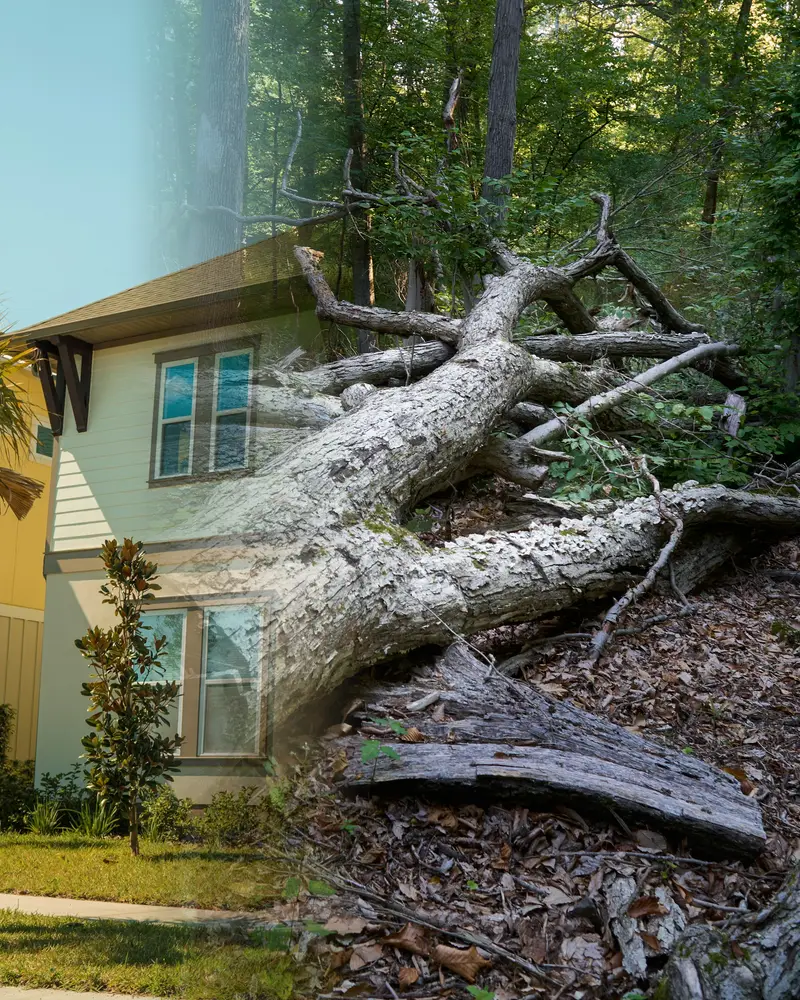
- A pile left after a storm that municipal collection will not take or has not reached.
- Old boundary or field-edge growth that was never managed as a garden tree.
- Clearance along a long driveway or approach where growth has closed in from both sides.
What determines how a haul-out runs
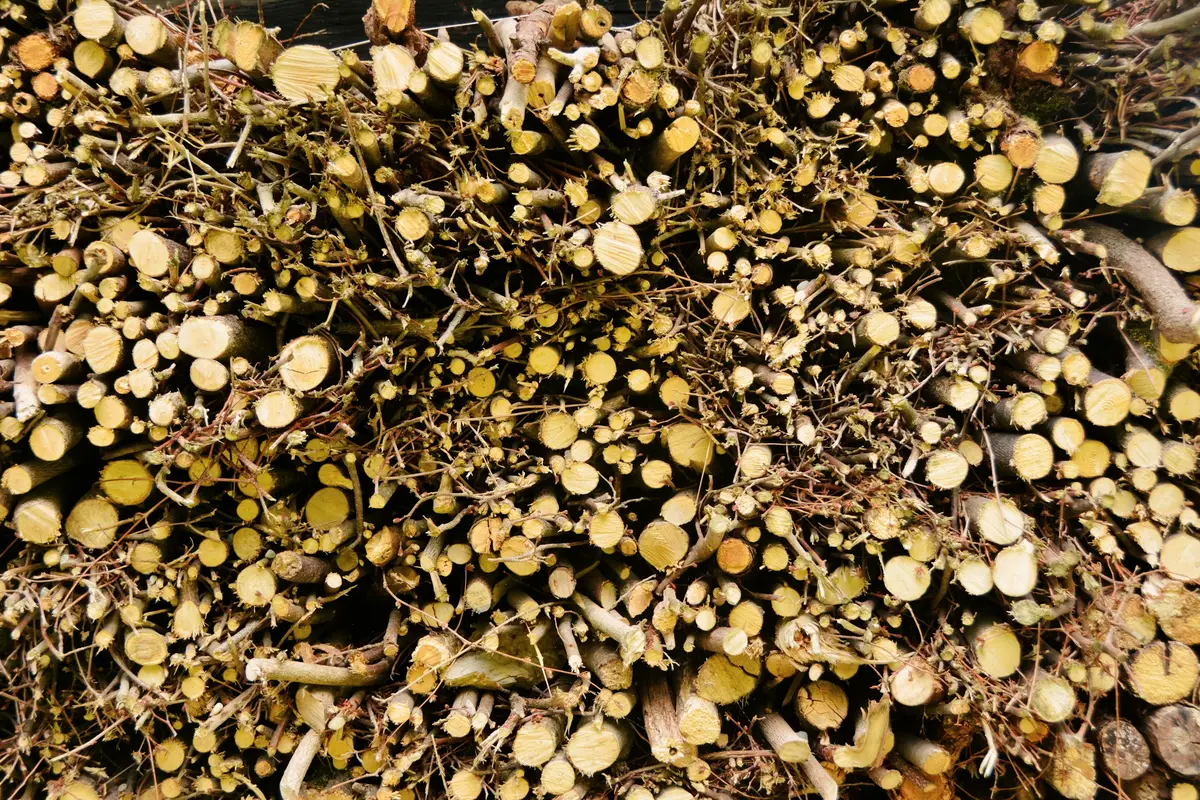
- Whether the pile is loose brush, cut rounds, or a mixed heap of both.
- How far the material sits from where a truck can actually stand.
- Whether the property has to stay usable while loading is in progress.
- Ground conditions along the carry route after rain.
- Whether anything non-woody has ended up in the pile.
Is this a hauling job, or does something still need cutting?
This service moves material that is already on the ground. If anything is still standing, still suspended or still holding load, that is tree work first and hauling afterwards — and the two are priced and planned differently.
A haul-away job Already down and safe to handle
- A storm pile that has settled with nothing suspended above it.
- Material another contractor cut and left behind.
Needs cutting before hauling Still loaded or still standing
- Stumps — grinding is separate work with separate equipment.
- Anything still attached to a standing tree.
Handling a settled pile safely
Material that has been down for a while interlocks, and pulling one limb can shift the rest. Older piles are worked from the outside in rather than by dragging pieces from the middle, which is also why they take longer than they look.
Never approach, move or work near a downed or sagging power line, and do not assume a line is inactive. Keep people, pets and vehicles well clear, and report the line to your electric utility or emergency services before anyone goes near the area.
How a haul-out is normally handled
- Sight the pile
Volume from a photograph is unreliable — piles compress and tangle. Where possible the material is looked at, or described in terms of area and height rather than 'a few branches'.
- Plan the carry
Where the truck and chipper stand, and how material travels from pile to truck, is the main determinant of how long the job takes.
- Protect the route
Turf, paving and irrigation along the carry path are considered before repeated trips start wearing a track into them.
- Load heavy sections
Rounds and trunk wood are cut to a handleable size and loaded separately from chip.
- Clear the ground
The footprint of the pile is raked and blown down, since a long-standing pile leaves a mat of decomposed material behind it.
What sets the size of a debris job
- How long the material has been there and how tangled it has become.
- Carry distance from the pile to the truck.
- Whether the work has to fit around site operations or trading hours.
- Whether there is a genuine drop zone. Open ground is the one thing that makes tree work straightforward, and where it exists the method changes completely.
- Whether the ground will carry the equipment. Soft or unmade approaches limit what can be driven in and sometimes rule out machine access entirely.
- The length of the approach from the road to the working area — a long unmade track changes the plant that can realistically be brought in.
Debris and cleanup
Municipal storm-debris programmes are not the same across the Tampa Bay area, and after major events cities and counties often publish temporary rules on placement, separation and timing. Confirm the current instruction for your address before assuming kerbside collection will take a pile.
- Larger parcels usually allow material to be staged near the working area, so the carry is short and the loading happens in one place.
- Where there is room, chip and trunk rounds can often be left in an agreed position rather than hauled, which reduces what has to be carried and loaded.
- Where ground conditions limit vehicle access, material is often staged nearer the road and loaded from there, which needs a position agreeing in advance.
Hauled away, chipped on site, or stacked in an agreed position — all three are normal, and they are different amounts of work. Whichever you want should be stated in the scope before the day rather than settled afterwards.
Makes the visit quicker
- Photograph the pile from two angles, ideally with something for scale.
- Flag irrigation heads and soft ground on the carry route.
- Clear the carry route of vehicles, furniture and obstacles.
- Decide whether material can stay on the property. On a larger lot that is often a genuinely useful option, and it changes what the work involves.
- Walk the property before you call and count what actually needs attention, rather than describing the single tree that prompted it. Several trees in one visit is normally more efficient than separate calls.
- Say whether the tree was planted as part of the garden or was already there. It is a genuinely useful distinction — the two tend to have grown very differently.
Tree Debris Removal and Hauling in Valrico: common questions
Is heavy wood more expensive to remove than brush?
Per volume, generally yes, because it cannot be chipped down and each piece has to be handled. A pile that is mostly rounds is worth flagging when you call, since it changes the equipment needed.
Can a truck get to the back of the property?
In dry conditions often; after rain usually not. Where it cannot, material is brought forward to a firm route and loaded there, which adds time.
Can you remove stumps and roots too?
Stump grinding is a separate operation with different equipment. If there are stumps as well as debris, mention them when you call so both can be planned into the same visit rather than needing a return.
The ground is soft where the tree is. Does the work have to wait?
Sometimes, and it is usually better than the alternative. Driving heavy equipment over saturated ground leaves damage that outlasts the tree work. Where waiting is not practical, the method shifts toward smaller equipment and more hand carrying, which takes longer but leaves the ground intact.
Can several trees across the property be looked at in one visit?
Usually, and it is generally the more efficient way to do it because the setup, the access and the equipment move are shared. Whether it works in practice depends on whether the trees sit on the same access route or need separate positioning.
Related tree services in Valrico
If the pile came from a storm
Material still suspended in a canopy matters more than the pile at ground level.
Read about storm damage responseIf a stump is part of it
Grinding spoil is a separate volume from brush and trunk wood.
Read about stump grindingIf it is an area rather than a pile
Larger volumes across a parcel are scoped by area rather than by load.
Read about land and lot clearingArrange Debris Removal in Valrico
Tell us how much is heavy rounds, where the pile sits and how far to a firm surface. In Valrico the weight and distance set the job.
- Phone: 877-269-2454
- Serving Tampa Bay, Florida
Information on this page is general guidance for property owners and managers in the Tampa Bay area. It is not an arboricultural assessment, a legal opinion, a permitting determination or an insurance decision. Tree condition and site risk can only be judged in person.