Riverview, Florida
Palm Tree Removal in Riverview, FL
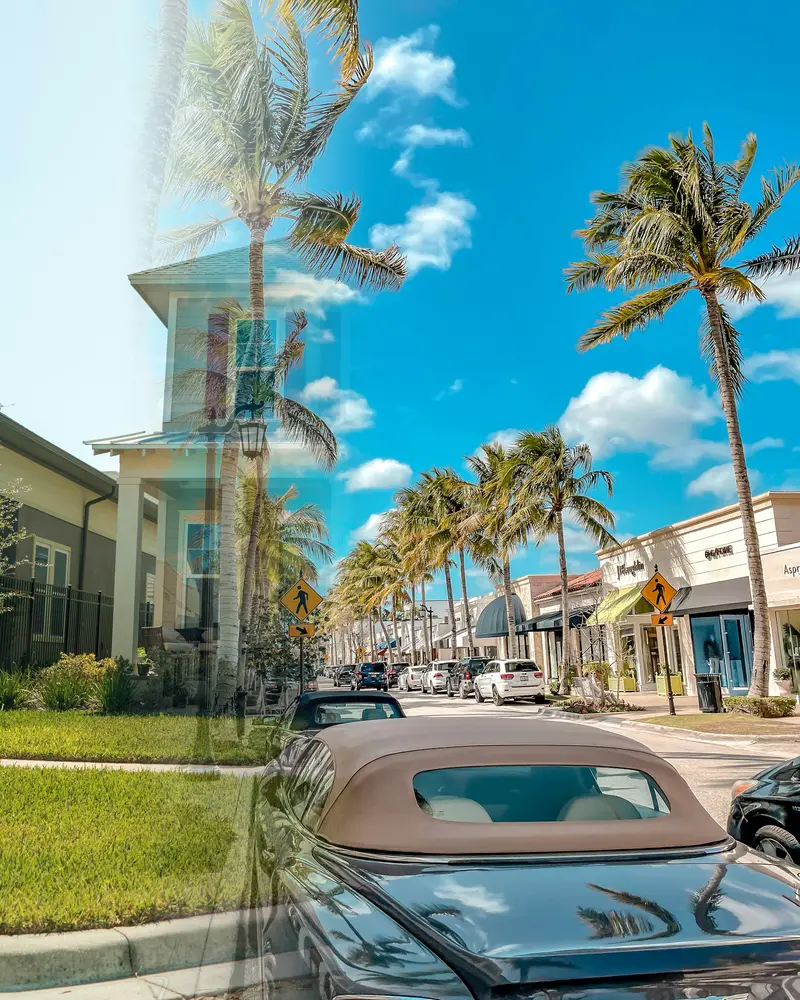
Most Riverview palms were installed as part of a community landscape scheme, which means they are in predictable positions — front elevations, entry features, along fence lines — and usually reachable. The job is generally straightforward; the debris route through a small lot is what takes the time.
- Hillsborough County
- Alafia River corridor
- Rapid growth
What this means on Riverview properties
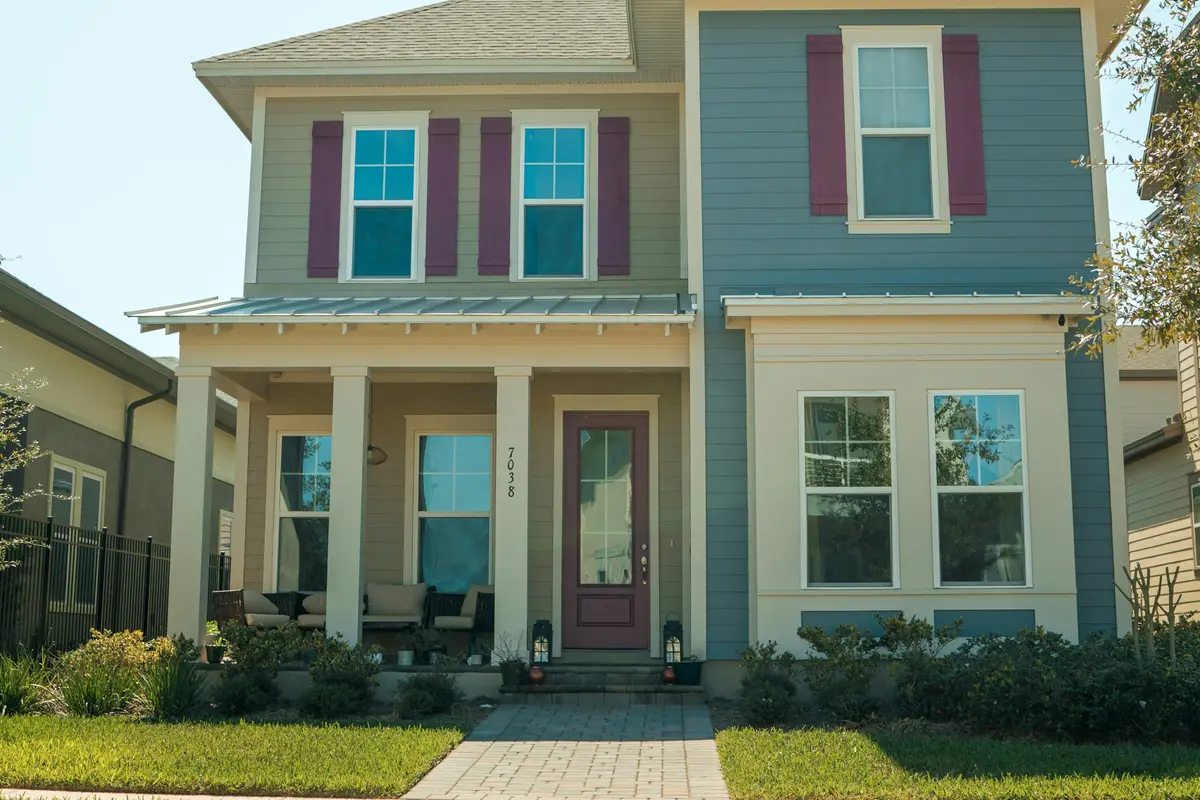
Because these palms were planted at the same time across whole neighbourhoods, condition problems tend to appear in groups. Where one palm on a street is showing a failing crown, others of the same species and planting date are worth a look. On the newer, tighter lots there is also very little room to lower material, so sections come down small.
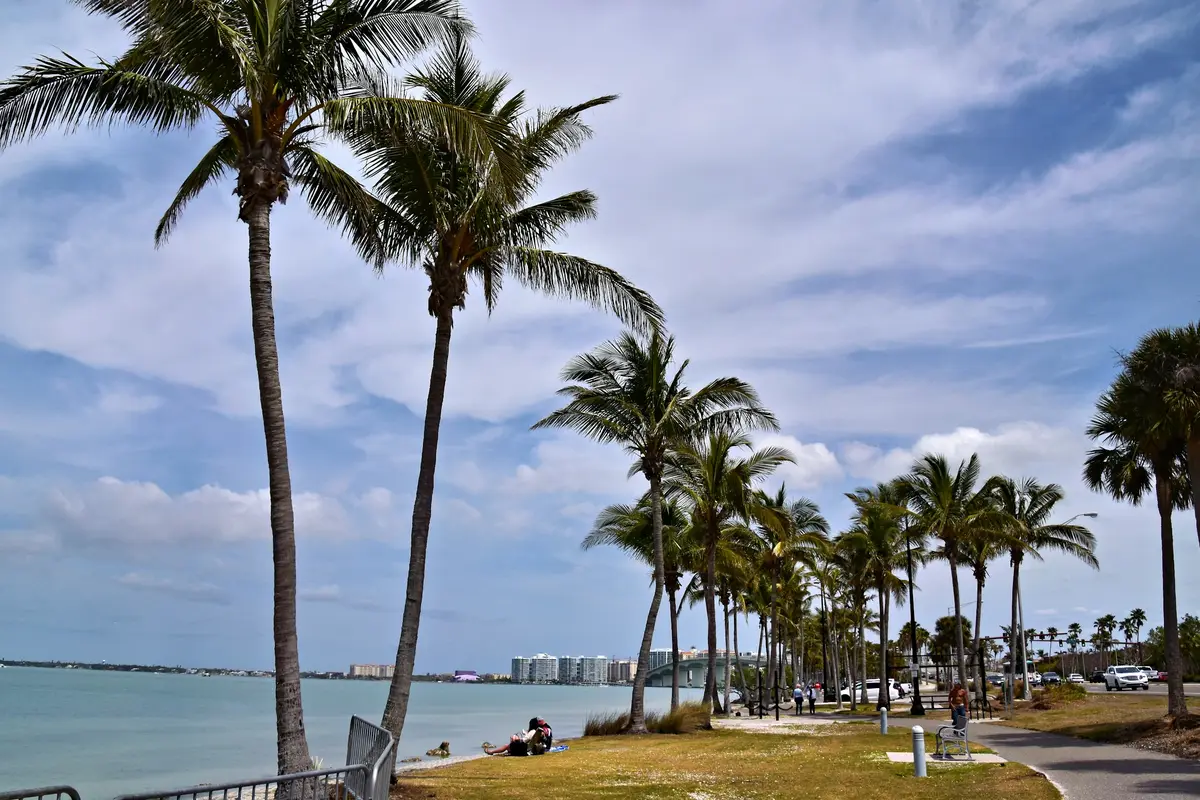
River corridor and low-lying ground hold water after sustained rain. Saturated soil around a root plate is one of the more common contributors to trees moving in wind, and it also limits what machinery can be driven across a yard.
Riverview is unincorporated, placing it under Hillsborough County provisions. Requirements can vary by property and jurisdiction. Property owners should confirm current requirements with the relevant local authority before work begins.
Why palms end up being removed
Where two matching palms flank an entrance and only one has a collapsed spear leaf, the question is usually whether the other is sound. That is an on-site judgement, and a narrow side yard as the only route affects both of them equally.
- Fruit, seed and frond litter is a continual maintenance burden over a pool or path.
- The trunk is leaning after a storm or after ground around the base was disturbed.
- The spear leaf at the centre has collapsed or pulls out easily.
- Thinning or dieback on a tree that was retained through building work.
- Clearance along a long driveway or approach where growth has closed in from both sides.
Remove the palm, or keep maintaining it?
Palms fail differently from broadleaf trees, and they cannot be reduced or reshaped the way an oak can. That narrows the options: maintenance works until it does not, and then removal is the remaining one.
Maintenance still makes sense Crown and trunk sound
- The position is inconvenient rather than genuinely wrong for the mature size.
- The crown is producing healthy new growth from the centre.
Removal is the sensible call Crown or trunk compromised
- The palm has outgrown a position tight against a roofline, cage or seawall.
- Height now puts frond and pod fall over something people use daily.
Why palm work is handled differently
Palms do not compartmentalise damage the way broadleaf trees do, so a soft or narrowed section does not recover and cannot be relied on to hold a climber. Where the trunk's condition is in doubt the work is done from a platform or with a lift, not by climbing it.
Never approach, move or work near a downed or sagging power line, and do not assume a line is inactive. Keep people, pets and vehicles well clear, and report the line to your electric utility or emergency services before anyone goes near the area.
How palm removal typically works
- Assess crown and trunk condition
A palm with a compromised crown or a soft upper trunk cannot be climbed, which changes the method before anything else is decided.
- Check overhead and underfoot
Palms are frequently planted close to lines, walls, pool cages and paving, so the clear space around the trunk is often the binding constraint.
- Section the trunk
Palm trunks are dense and heavy for their diameter. They are cut in short sections and lowered rather than dropped where space is tight.
- Deal with the base
Palm root balls are compact rather than spreading, which makes the base a different proposition to a hardwood stump.
- Clear and finish
The area is cleared of frond litter, fruit and fibre, which spread further than people expect during the work.
What affects a palm removal
- Whether the crown is sound enough for the palm to be climbed.
- Clearance around the base — pool cages, walls, decks and paving.
- Whether sections can be dropped or must be lowered.
- Whether machinery can reach the working position without leaving ruts that outlast the tree work.
- The width of the narrowest point on the route in. A side gate frequently decides which machine can be used, and machine size then decides how long the work takes.
- Whether there is a genuine drop zone. Open ground is the one thing that makes tree work straightforward, and where it exists the method changes completely.
Before booking palm work
- Any recent change in the crown, so the condition question can be discussed properly.
- Whether the palm is single-trunked or clumping, since that changes the job entirely.
- Whether the base is being ground out or left.
- Decide whether vehicles can be moved off the driveway for the day, and whether a gate or side access can be unlocked and left open.
- Measure the narrowest gate or gap on the route to the tree and have that figure ready. It answers more questions than almost anything else you can tell us.
- Look at the ground at the base of the tree and mention anything unusual — cracking, lifting, or soil that has moved in an arc on one side.
Debris and cleanup
Palm debris is bulky, fibrous and heavy with water. It does not process like hardwood brush, and a palm often fills more truck space than a broadleaf tree of similar visual size.
- Trunk wood is cut to a size the access will take rather than to the largest size the machine could handle.
- Where there is room, chip and trunk rounds can often be left in an agreed position rather than hauled, which reduces what has to be carried and loaded.
- Where ground conditions limit vehicle access, material is often staged nearer the road and loaded from there, which needs a position agreeing in advance.
Hauled away, chipped on site, or stacked in an agreed position — all three are normal, and they are different amounts of work. Whichever you want should be stated in the scope before the day rather than settled afterwards.
Palm Tree Removal in Riverview: common questions
One of my matching palms is failing. Should the other be checked?
It is worth looking at. Palms planted at the same time, of the same species, in the same conditions frequently develop the same problems on a similar timeline — though one failing does not mean the other necessarily will.
Is there enough room on a small lot?
Almost always, though it changes the method. On a narrow side yard everything is lowered rather than dropped, and the frond and trunk material is carried out rather than dragged.
Should the root ball be ground out?
If you plan to plant, pave or build there, yes. Palm root balls are compact, so grinding is usually less involved than for a large hardwood stump, but the spoil still has to go somewhere.
The ground is soft where the tree is. Does the work have to wait?
Sometimes, and it is usually better than the alternative. Driving heavy equipment over saturated ground leaves damage that outlasts the tree work. Where waiting is not practical, the method shifts toward smaller equipment and more hand carrying, which takes longer but leaves the ground intact.
There is no vehicle access to the back garden. Does that stop the work?
No, but it changes how it is done and how long it takes. Material comes out along whatever route exists, usually in smaller sections and by hand. Where a fence panel or a gate post can come out temporarily, that is sometimes faster overall — worth raising rather than assuming either way.
Related tree services in Riverview
For broadleaf trees on the same property
Palm work and broadleaf removal differ enough in method that they are worth scoping separately.
Read about tree removalIf it is fronds rather than the whole palm
Frond and seed-pod management is maintenance work rather than removal.
Read about trimming and pruningFor the material it generates
Palm debris is bulky and water-heavy, which matters more for hauling than for cutting.
See how debris hauling worksAsk About Palm Removal in Riverview
Tell us how many palms, what the crowns look like and how wide the side access is. That is most of what shapes a Riverview palm job.
- Phone: 877-269-2454
- Serving Tampa Bay, Florida
Information on this page is general guidance for property owners and managers in the Tampa Bay area. It is not an arboricultural assessment, a legal opinion, a permitting determination or an insurance decision. Tree condition and site risk can only be judged in person.