Land O’ Lakes, Florida
Palm Tree Removal in Land O’ Lakes, FL
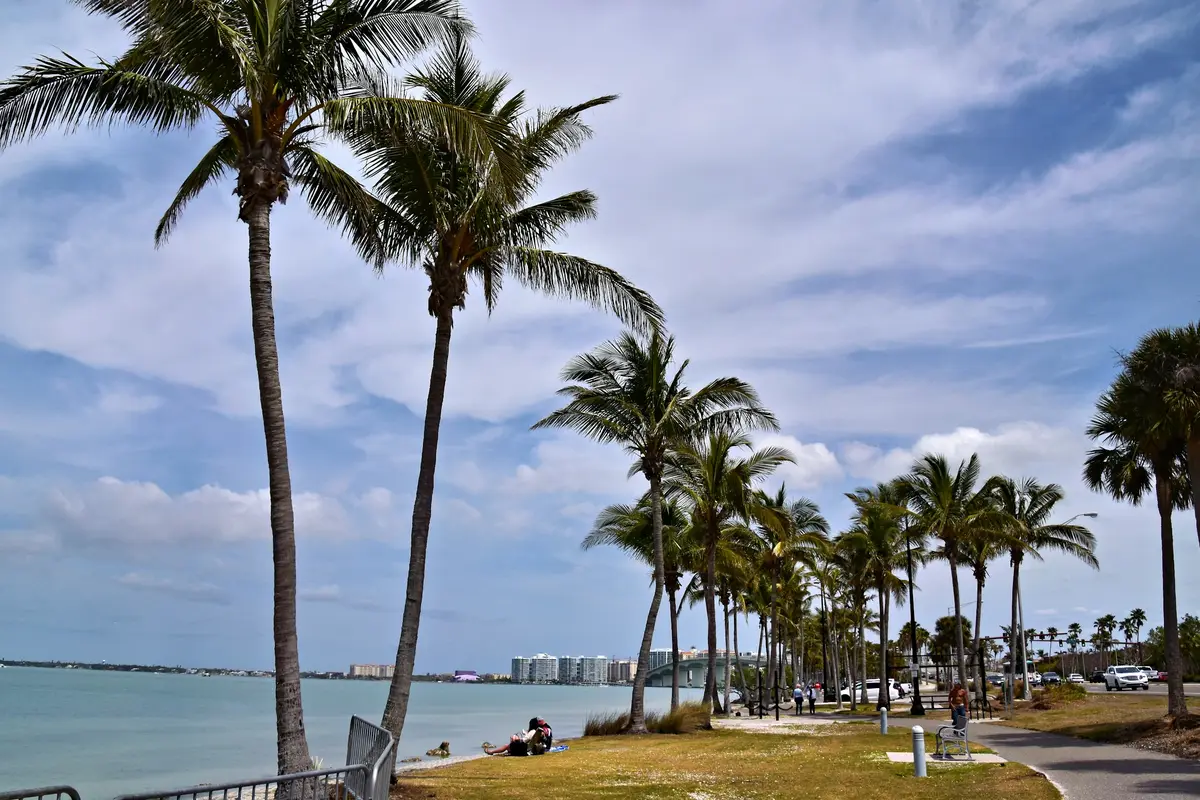
Palms on these properties are generally in accessible positions — around a house, along a drive, at a lakeside seating area — which makes the removal itself relatively simple. The variable is usually how many there are and how far the debris has to travel to reach a truck.
- Pasco County
- Lakes and larger lots
- Mixed acreage
What this means on Land O’ Lakes properties
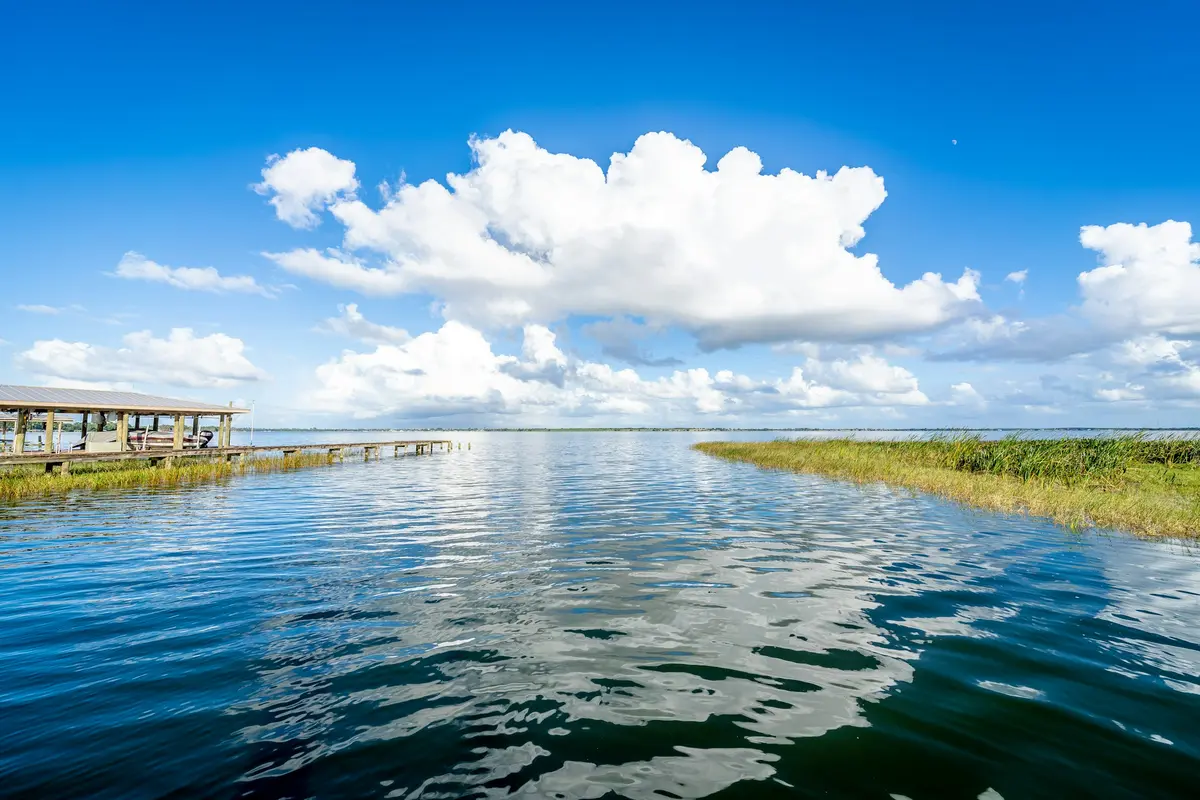
Lakeside palm groups are the notable case. Palms planted along a shoreline or around a dock area are working in wet ground and are sometimes leaning as the bank has moved beneath them. That changes both the condition question and where equipment can safely stand.
Lakeside and low ground stays wet longer, and trees on a shoreline edge can be undermined over time. Away from the water, larger open parcels give wind a longer run at isolated specimen trees.
Land O’ Lakes is unincorporated and therefore falls under Pasco County provisions. Requirements can vary by property and jurisdiction. Property owners should confirm current requirements with the relevant local authority before work begins.
Why palms end up being removed
Where palms stand near a lakeside dock and the bank has shifted, some may be leaning as a result. The nearest firm ground for a truck can be a long way back, which changes the handling more than the cutting.
- Fruit, seed and frond litter is a continual maintenance burden over a pool or path.
- It sits too close to a wall, pool deck or driveway for the trunk it has developed.
- It has grown well above the roofline and dropping fronds now reach the building.
- Growth overhanging a dock, deck or seawall, where anything dropped would go into the water rather than onto ground.
- Clearance along a long driveway or approach where growth has closed in from both sides.
Remove the palm, or keep maintaining it?
Palms fail differently from broadleaf trees, and they cannot be reduced or reshaped the way an oak can. That narrows the options: maintenance works until it does not, and then removal is the remaining one.
Maintenance still makes sense Crown and trunk sound
- Height is still workable from the ground or a modest platform.
- The problem is accumulated dead fronds, seed pods or litter rather than the palm itself.
Removal is the sensible call Crown or trunk compromised
- Height now puts frond and pod fall over something people use daily.
- The palm has outgrown a position tight against a roofline, cage or seawall.
Why palm work is handled differently
Palms do not compartmentalise damage the way broadleaf trees do, so a soft or narrowed section does not recover and cannot be relied on to hold a climber. Where the trunk's condition is in doubt the work is done from a platform or with a lift, not by climbing it.
Never approach, move or work near a downed or sagging power line, and do not assume a line is inactive. Keep people, pets and vehicles well clear, and report the line to your electric utility or emergency services before anyone goes near the area.
How palm removal typically works
- Assess crown and trunk condition
A palm with a compromised crown or a soft upper trunk cannot be climbed, which changes the method before anything else is decided.
- Check overhead and underfoot
Palms are frequently planted close to lines, walls, pool cages and paving, so the clear space around the trunk is often the binding constraint.
- Manage the fibrous mass
Palm material does not chip like hardwood. It is handled and loaded differently, and that affects both time and truck space.
- Deal with the base
Palm root balls are compact rather than spreading, which makes the base a different proposition to a hardwood stump.
- Clear and finish
The area is cleared of frond litter, fruit and fibre, which spread further than people expect during the work.
What affects a palm removal
- The volume of frond and fruit material to be cleared.
- Overall height and how much of the trunk is above the roofline.
- Overhead lines or structures within the working radius.
- The length of the approach from the road to the working area — a long unmade track changes the plant that can realistically be brought in.
- Whether machinery can reach the working position without leaving ruts that outlast the tree work.
- Whether the ground around the root plate has been saturated recently, which affects both stability and what can be driven across the site.
Before booking palm work
- Any recent change in the crown, so the condition question can be discussed properly.
- What will occupy the space afterwards.
- Whether the base is being ground out or left.
- Locate anything buried across the approach — septic field, well, irrigation line, soakaway — before machinery crosses it. Undocumented systems are common and expensive to find the hard way.
- Move boats, lifts and anything on the dock clear of the working area if that is possible, or say what cannot be moved.
- Say what sits between the tree and the water — a seawall, dock, lift, bulkhead or open bank — and roughly how much clear ground is left between them.
Debris and cleanup
Palm debris is bulky, fibrous and heavy with water. It does not process like hardwood brush, and a palm often fills more truck space than a broadleaf tree of similar visual size.
- On ground that holds water, staging is normally kept to firm surfaces such as a drive or path rather than lawn, which sometimes lengthens the carry.
- Larger parcels usually allow material to be staged near the working area, so the carry is short and the loading happens in one place.
- Where there is room, chip and trunk rounds can often be left in an agreed position rather than hauled, which reduces what has to be carried and loaded.
Hauled away, chipped on site, or stacked in an agreed position — all three are normal, and they are different amounts of work. Whichever you want should be stated in the scope before the day rather than settled afterwards.
Palm Tree Removal in Land O’ Lakes: common questions
A lakeside palm is leaning. Is the palm the problem?
Sometimes the ground is. Bank movement can tilt an otherwise healthy palm, and the question then becomes whether the position is viable at all rather than whether the palm is sound.
Does the debris carry distance matter for palms?
More than for most material. Palm debris is bulky and heavy with water rather than chippable, so a long carry from a lakeside position adds a meaningful amount of time.
Are there rules about removing palms?
Possibly, depending on the address and the palm. Some jurisdictions treat certain palms differently from other trees, and some do not. Requirements can vary by property and jurisdiction, so confirm with the relevant local authority before work begins.
The ground is soft where the tree is. Does the work have to wait?
Sometimes, and it is usually better than the alternative. Driving heavy equipment over saturated ground leaves damage that outlasts the tree work. Where waiting is not practical, the method shifts toward smaller equipment and more hand carrying, which takes longer but leaves the ground intact.
The tree is right at the water's edge. Does that change the approach?
Considerably. A seawall or dock cannot take dropped material, there is rarely a free drop zone on a frontage lot, and anything that goes into the water is far harder to recover than it is to prevent. Work in that position is normally rigged and lowered in small sections, which takes longer than the same tree would inland.
Related tree services in Land O’ Lakes
For broadleaf trees on the same property
Palm work and broadleaf removal differ enough in method that they are worth scoping separately.
Read about tree removalIf it is fronds rather than the whole palm
Frond and seed-pod management is maintenance work rather than removal.
Read about trimming and pruningFor the material it generates
Palm debris is bulky and water-heavy, which matters more for hauling than for cutting.
See how debris hauling worksAsk About Palm Removal in Land O’ Lakes
Tell us how many palms, where they sit and how far the nearest truck position is. On Land O’ Lakes properties the carry usually sets the job.
- Phone: 877-269-2454
- Serving Tampa Bay, Florida
Information on this page is general guidance for property owners and managers in the Tampa Bay area. It is not an arboricultural assessment, a legal opinion, a permitting determination or an insurance decision. Tree condition and site risk can only be judged in person.