Dunedin, Florida
Tree Debris Removal and Hauling in Dunedin, FL
Debris work in Dunedin is dominated by the carry. Small lots, narrow streets and limited kerbside space mean material travels a long way to reach a truck, and the route usually passes garden features and original detailing that need protecting on every trip.
- Pinellas County
- Historic residential core
- Gulf coast city
What this means on Dunedin properties
Dunedin administers its own collection arrangements, separate from unincorporated Pinellas County, and issues temporary instructions after significant events. On these narrow streets, where a pile sits matters as much as what is in it — kerbside material affects neighbours and passing traffic quickly, which usually makes moving it more time-sensitive than volume alone would suggest.
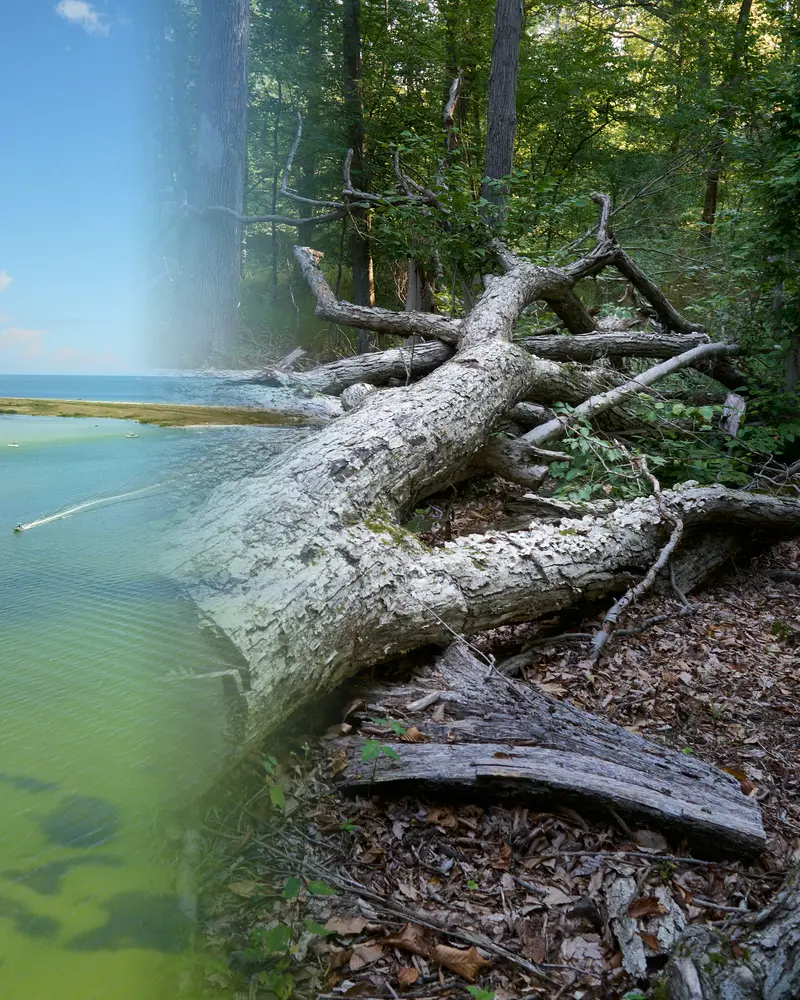
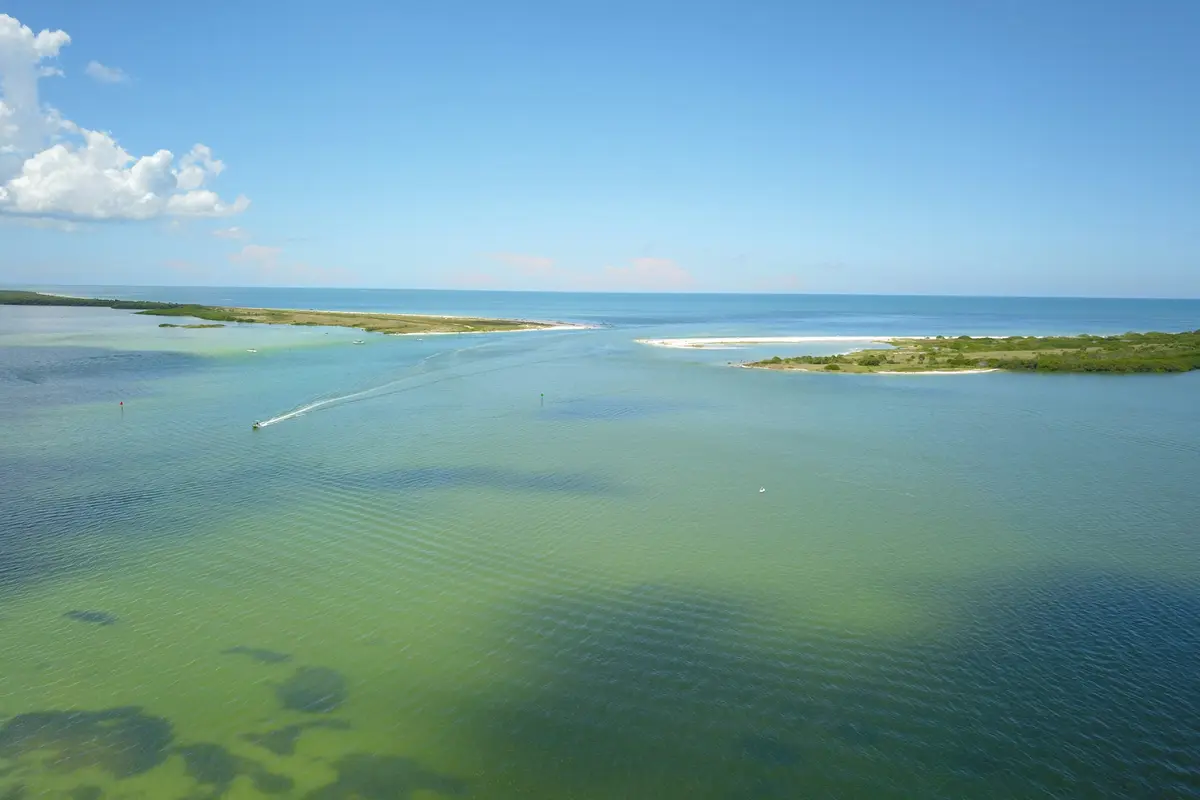
Dunedin sits on the Gulf side of northern Pinellas County, with a compact historic core, a long waterfront edge and residential streets running back from the coast.
Dunedin is an incorporated Pinellas County city with its own municipal code provisions covering trees. Requirements can vary by property and jurisdiction. Property owners should confirm current requirements with the relevant local authority before work begins.
Situations this covers
A pile at the rear of an older property means a long carry to a street where a truck may only be able to stop briefly. That combination usually decides how the work is staged.
- Material stacked on a commercial site that is occupying a bay or a lane.
- Brush stacked months ago that has settled, tangled and started to break down.
- Mixed yard waste where the woody portion needs separating out.
- A tree that has reached the roofline or the fence line decades after being planted for a smaller space.
- Growth over a street frontage or footpath where vehicles and pedestrians pass beneath.
What determines how a haul-out runs
- Whether the property has to stay usable while loading is in progress.
- Whether material is stacked and reachable or tangled and buried.
- Whether the pile is loose brush, cut rounds, or a mixed heap of both.
- Ground conditions along the carry route after rain.
- Whether anything non-woody has ended up in the pile.
Is this a hauling job, or does something still need cutting?
This service moves material that is already on the ground. If anything is still standing, still suspended or still holding load, that is tree work first and hauling afterwards — and the two are priced and planned differently.
A haul-away job Already down and safe to handle
- Chip or rounds left on site from earlier work.
- Woody material separated from soil, rubble and general waste.
Needs cutting before hauling Still loaded or still standing
- Sections too large to move without being cut down further first.
- Stumps — grinding is separate work with separate equipment.
Handling a settled pile safely
Material that has been down for a while interlocks, and pulling one limb can shift the rest. Older piles are worked from the outside in rather than by dragging pieces from the middle, which is also why they take longer than they look.
Never approach, move or work near a downed or sagging power line, and do not assume a line is inactive. Keep people, pets and vehicles well clear, and report the line to your electric utility or emergency services before anyone goes near the area.
How a haul-out is normally handled
- Sight the pile
Volume from a photograph is unreliable — piles compress and tangle. Where possible the material is looked at, or described in terms of area and height rather than 'a few branches'.
- Plan the carry
Where the truck and chipper stand, and how material travels from pile to truck, is the main determinant of how long the job takes.
- Process brush
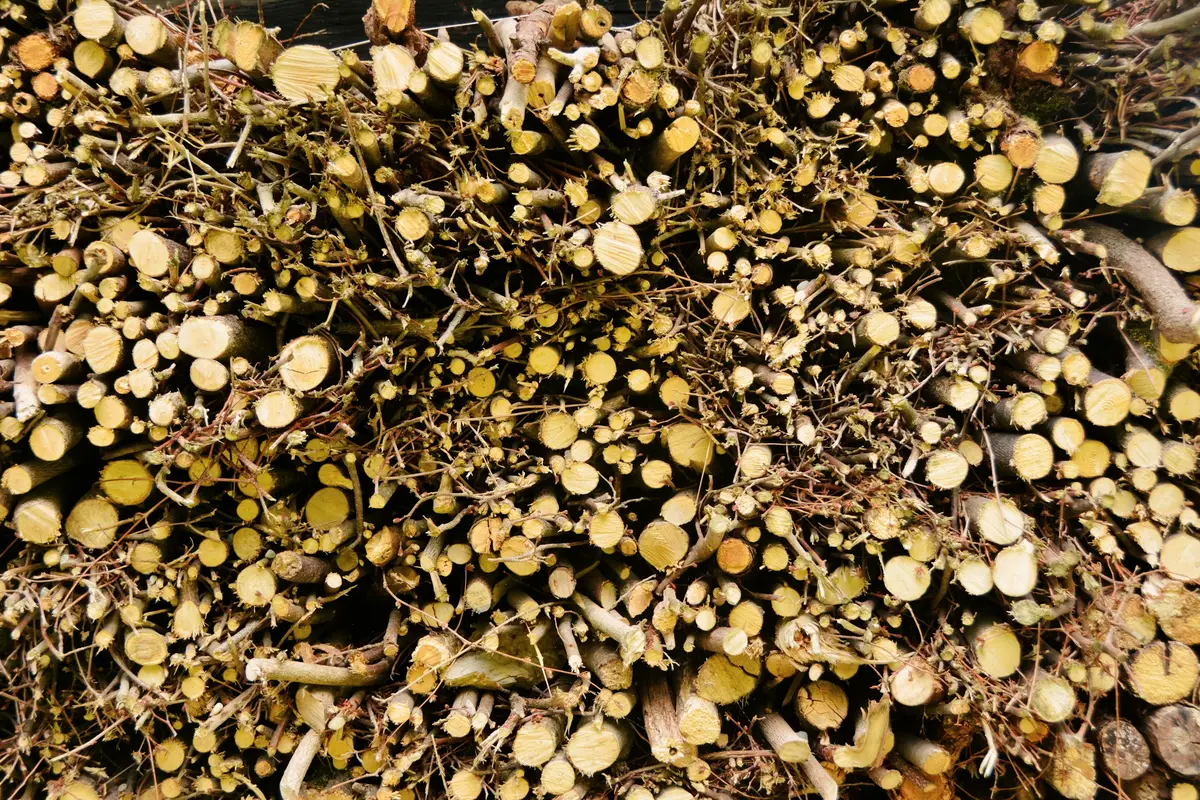
Light material is chipped, which reduces volume dramatically compared with loading it whole.
- Load heavy sections
Rounds and trunk wood are cut to a handleable size and loaded separately from chip.
- Clear the ground
The footprint of the pile is raked and blown down, since a long-standing pile leaves a mat of decomposed material behind it.
What sets the size of a debris job
- The mix of chippable brush and heavy trunk wood.
- Ground conditions along the route.
- Actual volume, which is usually more than it looks from one angle.
- Whether the work needs any pedestrian or vehicle management on the street side, which has to be planned rather than improvised.
- Whether material can be dropped at all, or whether every piece has to be rigged and lowered into a small space — the difference between those two is substantial.
- Whether neighbouring canopies overlap the tree being worked on — where they interlock, material cannot always fall clear and has to be lowered instead of dropped.
Debris and cleanup
Contamination is what causes most complications. Soil, rubble, fence panels, wire and general waste mixed into a woody pile change how the load has to be handled and where it can go, so separating them out beforehand is genuinely worth the effort.
- Where a crown extends over a boundary, agree in advance which side brush will be brought down to — dragging it back under the tree is often the slower option.
- Where the vehicle has to stand away from the property, everything is carried to it, so the distance between the tree and the kerb is a real part of the cleanup time.
- Where the carry is long or the route is narrow, brush is normally cut into smaller pieces than strictly necessary, because handling size matters more than trips.
Hauled away, chipped on site, or stacked in an agreed position — all three are normal, and they are different amounts of work. Whichever you want should be stated in the scope before the day rather than settled afterwards.
Makes the visit quicker
- Photograph the pile from two angles, ideally with something for scale.
- Confirm where a truck can park without blocking access.
- Estimate the footprint in feet and the height at the tallest point.
- Note anything fixed on the route — an air-conditioning unit, meter box, irrigation head or low wall — that cannot simply be stepped over.
- Mention anything that has changed since recent coastal weather — dieback on one side, thinning, or a lean that was not there before.
- Where kerbside space is shared or contested, letting immediate neighbours know in advance usually prevents the awkward conversation happening mid-job.
Tree Debris Removal and Hauling in Dunedin: common questions
Will Dunedin collection take my pile?
It depends on the current programme and on what is in it. Mixed material is the usual reason a pile is passed over. Check the city's current instructions for your address rather than assuming.
Does the carry affect the cost much?
On a Dunedin property it often dominates it. A pile at the kerb is a very different job from the same volume at the rear of a lot with a narrow route out.
What if the pile has been there a long time?
Older piles are usually more work, not less. Material settles and interlocks, vegetation grows through it, and there is often a decomposed mat underneath that needs clearing separately.
Several trees on the property have grown together. Is that one job or several?
Usually one, and it is generally more efficient that way. Where crowns interlock, working on one tree means moving through or protecting the others anyway, so treating them in a single visit shares the setup and the access. Whether that applies depends on whether they are reachable from the same position.
I would rather keep the tree if possible. Is that worth saying?
Yes, and it changes the conversation usefully. Where the concern is branch-level — clearance, deadwood, a rubbing limb — pruning frequently resolves it without losing the tree. Where the problem is in the trunk or the root flare, it generally does not, and that is worth establishing before any work is scheduled.
Related tree services in Dunedin
If the pile came from a storm
Material still suspended in a canopy matters more than the pile at ground level.
Read about storm damage responseIf a stump is part of it
Grinding spoil is a separate volume from brush and trunk wood.
Read about stump grindingIf it is an area rather than a pile
Larger volumes across a parcel are scoped by area rather than by load.
Read about land and lot clearingArrange Debris Removal in Dunedin
Tell us where the pile sits, how far to the street and what the route passes. In Dunedin the carry and the protection set the job.
- Phone: 877-269-2454
- Serving Tampa Bay, Florida
Information on this page is general guidance for property owners and managers in the Tampa Bay area. It is not an arboricultural assessment, a legal opinion, a permitting determination or an insurance decision. Tree condition and site risk can only be judged in person.