Wesley Chapel, Florida
Palm Tree Removal in Wesley Chapel, FL
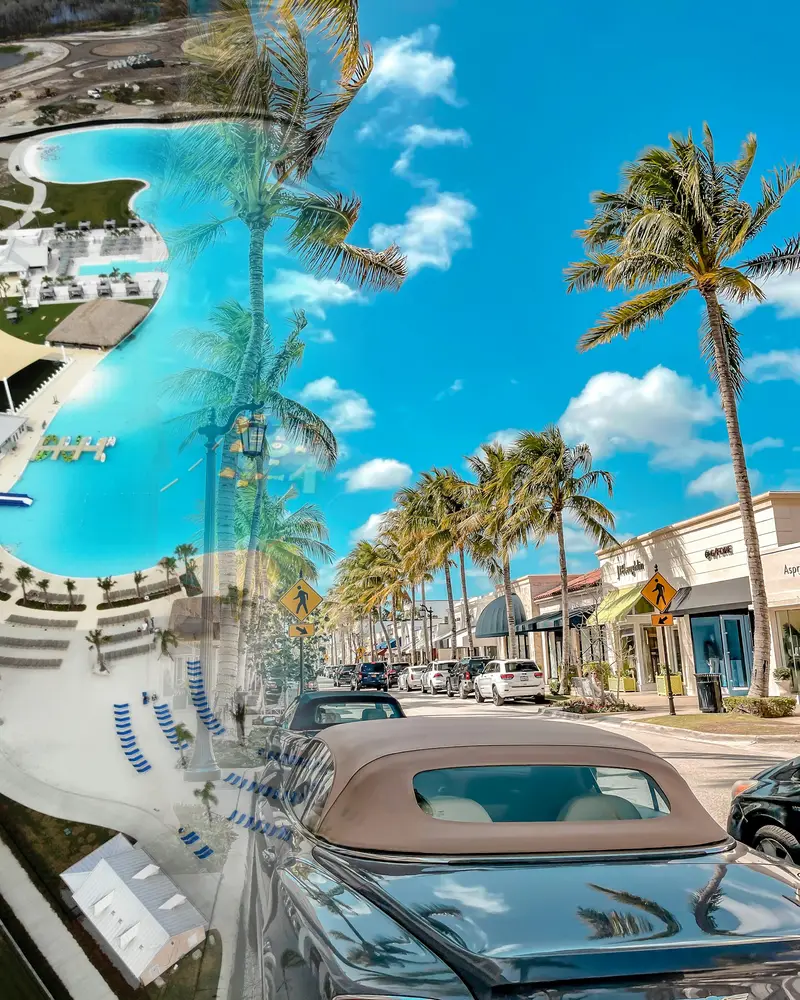
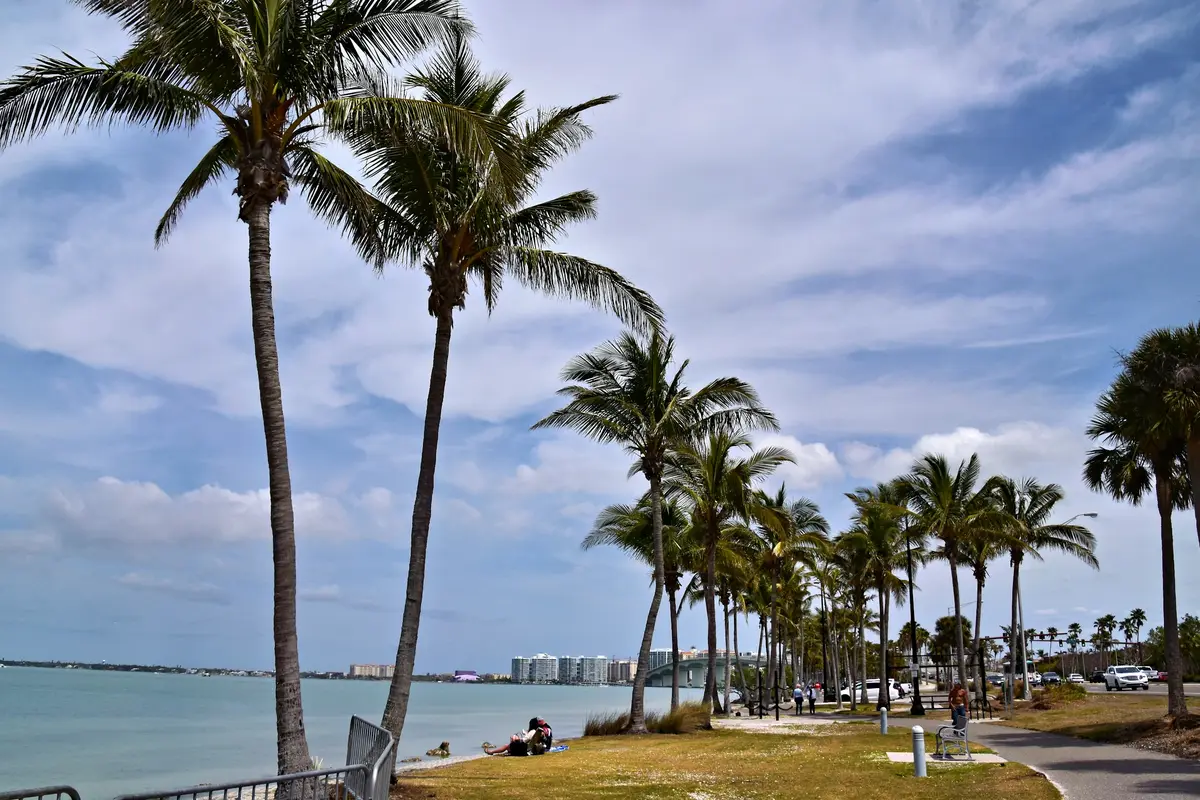
Palms in Wesley Chapel are almost entirely a designed element — installed at community entries, along frontages and around amenity areas as part of a landscape scheme. That means they are usually accessible, in known positions, and often part of a matched group where removing one changes the look of the whole arrangement.
- Pasco County
- Sandy soils
- Master-planned communities
What this means on Wesley Chapel properties
The group aspect is the practical consideration. Where a community landscape uses matched palms, removing a failing one raises a question about replacement and about the condition of the rest. It is worth looking at the whole group rather than treating one palm in isolation, particularly since they share a planting date and a growing environment.
Wesley Chapel is an unincorporated Pasco County area north of Tampa that has expanded rapidly around the I-75 corridor, largely through master-planned residential communities.
Wesley Chapel is unincorporated, so Pasco County provisions apply, and community-level rules may apply on top of them. Requirements can vary by property and jurisdiction. Property owners should confirm current requirements with the relevant local authority before work begins.

Why palms end up being removed
Where one palm in an entry feature group has a collapsed crown, the question is normally whether the rest of the arrangement is sound. That is an on-site assessment rather than something to infer from the one that failed.
- The spear leaf at the centre has collapsed or pulls out easily.
- It has grown well above the roofline and dropping fronds now reach the building.
- It is planted directly beneath a service line and cannot be kept clear.
- Thinning or dieback on a tree that was retained through building work.
- Dead lower limbs on a tall stem, which shed as the tree grows.
Remove the palm, or keep maintaining it?
Palms fail differently from broadleaf trees, and they cannot be reduced or reshaped the way an oak can. That narrows the options: maintenance works until it does not, and then removal is the remaining one.
Maintenance still makes sense Crown and trunk sound
- The crown is producing healthy new growth from the centre.
- The problem is accumulated dead fronds, seed pods or litter rather than the palm itself.
Removal is the sensible call Crown or trunk compromised
- The growing point has died — a palm cannot regrow one.
- The palm has outgrown a position tight against a roofline, cage or seawall.
Why palm work is handled differently
A water-laden frond or a mature seed pod dropping from height carries real energy, and palm debris tends to fall in an unpredictable spread rather than straight down. The area below needs to be clear well beyond the apparent footprint of the crown.
Never approach, move or work near a downed or sagging power line, and do not assume a line is inactive. Keep people, pets and vehicles well clear, and report the line to your electric utility or emergency services before anyone goes near the area.
How palm removal typically works
- Assess crown and trunk condition
A palm with a compromised crown or a soft upper trunk cannot be climbed, which changes the method before anything else is decided.
- Remove the fronds
The crown is taken down first. Frond bases are heavy, waterlogged material and are cleared before the trunk is touched.
- Section the trunk
Palm trunks are dense and heavy for their diameter. They are cut in short sections and lowered rather than dropped where space is tight.
- Manage the fibrous mass
Palm material does not chip like hardwood. It is handled and loaded differently, and that affects both time and truck space.
- Clear and finish
The area is cleared of frond litter, fruit and fibre, which spread further than people expect during the work.
What affects a palm removal
- Access for a lift, if climbing is not appropriate.
- The volume of frond and fruit material to be cleared.
- Overall height and how much of the trunk is above the roofline.
- Whether there is height clearance for sections to be taken down the stem, since a tall stem over a house has little margin for error.
- Whether the tree was retained through building work. Grading, trenching and compaction inside the root zone show in the canopy years later and change what the tree can be expected to do.
- Whether community-level requirements apply on top of county provisions, which can affect timing as much as scope.
Before booking palm work
- An estimate of height, using the roofline or a nearby structure as a reference.
- What will occupy the space afterwards.
- Any recent change in the crown, so the condition question can be discussed properly.
- Mention any construction, trenching, paving or grade change near the tree in recent years, even if it looked harmless at the time. Root damage shows up slowly.
- Decide whether material can stay on the property. On a larger lot that is often a genuinely useful option, and it changes what the work involves.
- Establish who owns the tree before booking anything. Where it sits on common ground or a shared boundary, the association usually has to authorise the work rather than the resident.
Debris and cleanup
Frond bases, fruit stalks and loose fibre scatter widely during removal, especially in wind. Pool surfaces, screens and pavers near the work usually need a proper clean-down at the end rather than a quick rake.
- Where there is room, chip and trunk rounds can often be left in an agreed position rather than hauled, which reduces what has to be carried and loaded.
- Larger parcels usually allow material to be staged near the working area, so the carry is short and the loading happens in one place.
- Where a community sets rules on where material may be placed or for how long, confirm those before a pile is built rather than after.
Hauled away, chipped on site, or stacked in an agreed position — all three are normal, and they are different amounts of work. Whichever you want should be stated in the scope before the day rather than settled afterwards.
Palm Tree Removal in Wesley Chapel: common questions
Should the whole group be assessed?
It is usually worth it. Palms planted together, of the same species and age, in the same soil and irrigation conditions tend to develop problems on a similar timeline. Assessing the group gives a better basis for a decision than looking at one.
Who approves removal in a community landscape area?
That depends on whether the palm is on private property or in a common area. Where it is in an association or district-managed area, their approval process applies, and requirements can vary by property and jurisdiction.
Why does trimming get mentioned when I asked about removal?
Because sometimes the actual problem is frond litter or clearance rather than the palm itself. If that is the issue, a maintenance approach may deal with it. If the crown is failing or the position is wrong, removal is the honest answer.
The tree may be on association land. What happens then?
The work has to be authorised by whoever is responsible for that ground, which is normally the association rather than the resident. Establishing ownership first saves a wasted visit. We can talk through what is involved either way, but we will not carry out work on ground you do not control.
Does the community need to approve this?
Possibly. Some communities operate their own requirements in addition to county provisions, and they can cover what may be removed and when work may take place. Requirements can vary by property and jurisdiction, so confirm with the association and the relevant local authority before work begins.
Related tree services in Wesley Chapel
For broadleaf trees on the same property
Palm work and broadleaf removal differ enough in method that they are worth scoping separately.
Read about tree removalIf it is fronds rather than the whole palm
Frond and seed-pod management is maintenance work rather than removal.
Read about trimming and pruningFor the material it generates
Palm debris is bulky and water-heavy, which matters more for hauling than for cutting.
See how debris hauling worksAsk About Palm Removal in Wesley Chapel
Tell us whether the palm is on private property or in a common area, and how many are in the group. That determines how the Wesley Chapel job is scoped.
- Phone: 877-269-2454
- Serving Tampa Bay, Florida
Information on this page is general guidance for property owners and managers in the Tampa Bay area. It is not an arboricultural assessment, a legal opinion, a permitting determination or an insurance decision. Tree condition and site risk can only be judged in person.